
Value
Which metric changes, and what improvement does its owner expect?
AI CONSULTING & STRATEGY
Give your AI investments a clear path to production.
We assess readiness, choose the right use cases and build a roadmap with owners, governance and clear go-live criteria.

THE STARTING POINT
Decide what to build, why it matters and what must be true before it launches. The result is a funded roadmap that your business owners and engineers can use.
Pilots that impress in a demo and then stop are a planning failure, not a model failure.
AI consulting sets the order, the owners and the production criteria before the first build.
AI consulting and strategy is advisory work in artificial intelligence that decides which AI use cases an organization builds, in what order and under which controls. Consultants assess readiness across data, systems, skills and governance. They rank candidate use cases by measurable value and delivery risk. Each ranked case receives a business owner, a success metric and production criteria. Banks, hospitals, manufacturers, retailers, insurers and public agencies use this work to replace scattered experiments with one funded AI roadmap. Approved use cases move into engineering with their data, integration and risk questions already answered.
AI strategy consulting in this sense differs from general management consulting on digital transformation. Its outputs are engineering inputs: confirmed data access, named integration points and written evaluation tests. AppsGlobal delivers AI consulting services as the planning stage of AI solutions and engineering, tying each roadmap item to the enterprise software it will change.
01 / AI STRATEGY
A prototype can work while the production plan is still incomplete. Resolve ownership, data, evaluation and governance before increasing investment.

Name a business owner, target metric and budget.
Agree on quality, latency, security and cost before building.
Test data quality and access at the start.
Inventory AI tools and define approved data use.
Set risk tiers, accountability and monitoring before go-live.
AI programs stall where planning stops at the demo. Five gaps recur: ownerless use cases, pilots without exit criteria, late data discovery, unsanctioned tools and governance written after launch. Each gap turns a working prototype into sunk cost.
Teams pick use cases from vendor demos or internal enthusiasm. No business owner commits to a target metric or a budget line. Pilots then compete for the same data engineers and cloud budget. Steering committees compare ideas on presentation quality instead of expected value. Funding spreads thin across parallel experiments. None of them receives the integration work that production requires.
Proofs of concept run on exported samples with one success test: a working demo. Nobody defines accuracy thresholds, latency budgets, security review or run cost before the build. Production approval then reopens every question at once. Projects stall in review. S&P Global Market Intelligence surveyed more than 1,000 organizations in North America and Europe in 2025. Respondents abandoned an average of 46 percent of AI proofs of concept before production.
Use cases get approved on the assumption that usable data exists. Engineers then find missing labels, duplicate customer records and fields nobody owns. Rework consumes the pilot budget. Delivery dates slip. Fivetran's 2025 survey of 401 data leaders, conducted by Redpoint Content, examined this pattern. Forty-two percent of enterprises reported that more than half of their AI projects were delayed, underperformed or failed because of data readiness issues.
Employees paste contracts, customer records and source code into public chat tools to finish daily tasks. No inventory lists those tools. No data rule covers what leaves the network. Security teams discover the exposure after the fact. Microsoft and LinkedIn's 2024 Work Trend Index surveyed 31,000 people in 31 countries. Seventy-eight percent of AI users brought their own AI tools to work.
Risk, legal and compliance teams first see an AI system at the go-live review. Nobody has classified its risk level, named an accountable owner or defined monitoring. Launches then wait for retroactive reviews. Running systems drift without anyone checking their output. ISO/IEC 42001:2023 addresses this gap. It specifies requirements for establishing, implementing, maintaining and continually improving an AI management system within an organization.
Each gap has a planning answer: owned use cases, exit criteria, early data checks, a tool policy and governance set before the build. AI consulting delivers those answers through five workstreams.
02 / AI STRATEGY
Explore the decision each workstream settles and the artifact your team receives.


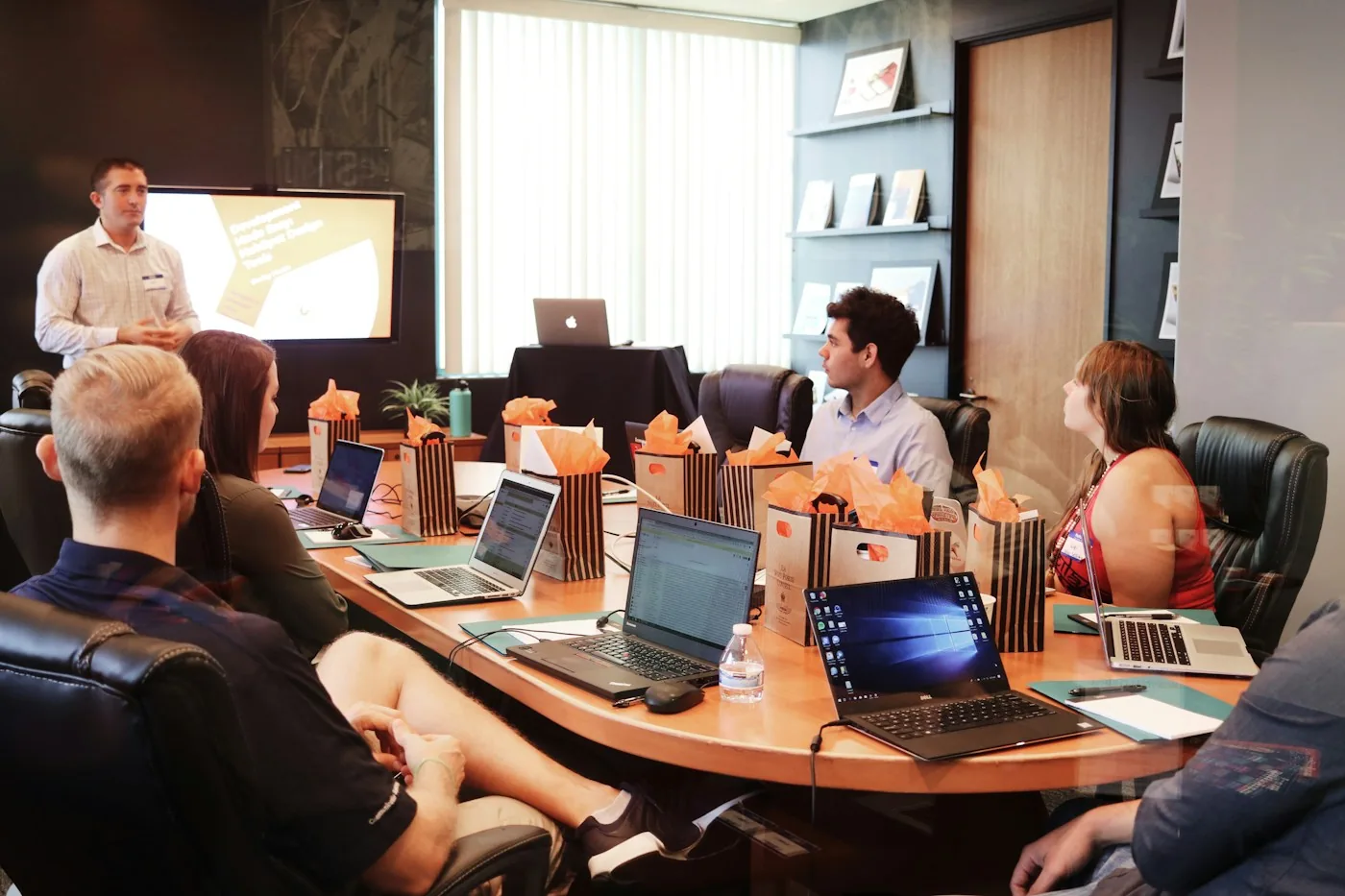


AI consulting splits into five workstreams. Each workstream settles one decision and produces one artifact that engineering teams can act on.
Generative AI consulting follows the same workstreams. Language model use cases add evaluation sets, prompt and output controls and provider data terms to each artifact.
03 / AI STRATEGY
Review six readiness dimensions. Use the checklist to prepare for an assessment; each item needs evidence from your systems, documents and team.

Which evidence can your team bring?
AI readiness assessment measures whether an organization can build, run and govern AI systems today. Consultants rate six dimensions on evidence from systems, documents and interviews:
Data: ownership, quality, labeling and access paths for the records each use case needs.
Systems and integration: APIs, event streams and identity controls in the applications AI will change.
Platforms: cloud accounts, model hosting options, vector stores and cost controls already in place.
Skills: in-house capacity for data engineering, machine learning engineering, product ownership and evaluation.
Governance and risk: policies, risk classification, legal review paths and an inventory of AI tools in use.
Operating model: funding rules, value tracking and the team that runs AI systems after go-live.
Each dimension receives a rating with the evidence behind it. Gaps that block the top use cases enter the roadmap as prerequisite work.
04 / AI STRATEGY
Every candidate needs a measurable outcome, accessible data, a reachable application, an appropriate risk tier and an owner after go-live.

Which metric changes, and what improvement does its owner expect?
Which records are needed, and is access available?
Where will the output appear, and through which interface?
What decisions does the system affect?
Who runs it after go-live?
Use-case prioritization ranks candidate ideas on measurable value, delivery feasibility and risk tier. Consultants collect ideas from business units and test each one against five questions:
Which metric moves, and by how much does its owner expect it to move?
Which records does the model need, and does access exist today?
Which systems receive the output, and through which interface?
Which risk tier applies to the decisions the system touches?
Who runs the result after go-live?
Ideas without a named owner or a measurable metric stay on a backlog. Ranked use cases then group into delivery waves that share data pipelines and integration work.
05 / AI STRATEGY
The assessment method stays consistent. The use case, decision risk and review requirements change by sector.
AI consulting applies one method in every industry. Use cases and risk tiers change by sector. Typical candidates include:
Banking and lending: credit decision support, collections prioritization and complaint classification under model risk rules.
Healthcare: referral triage, clinical documentation drafts and prior authorization intake with clinician review.
Insurance: claims intake, fraud signals and underwriting document review.
Manufacturing: visual quality inspection, maintenance prediction and supplier document handling.
Retail and ecommerce: demand forecasting, product content generation and customer service triage.
Logistics: shipment exception handling, delivery time prediction and freight document capture.
Public sector: correspondence triage, policy search and benefits intake under public records rules.
06 / AI STRATEGY
Every phase produces something the next phase can use. Open a phase to see its activities and handover.
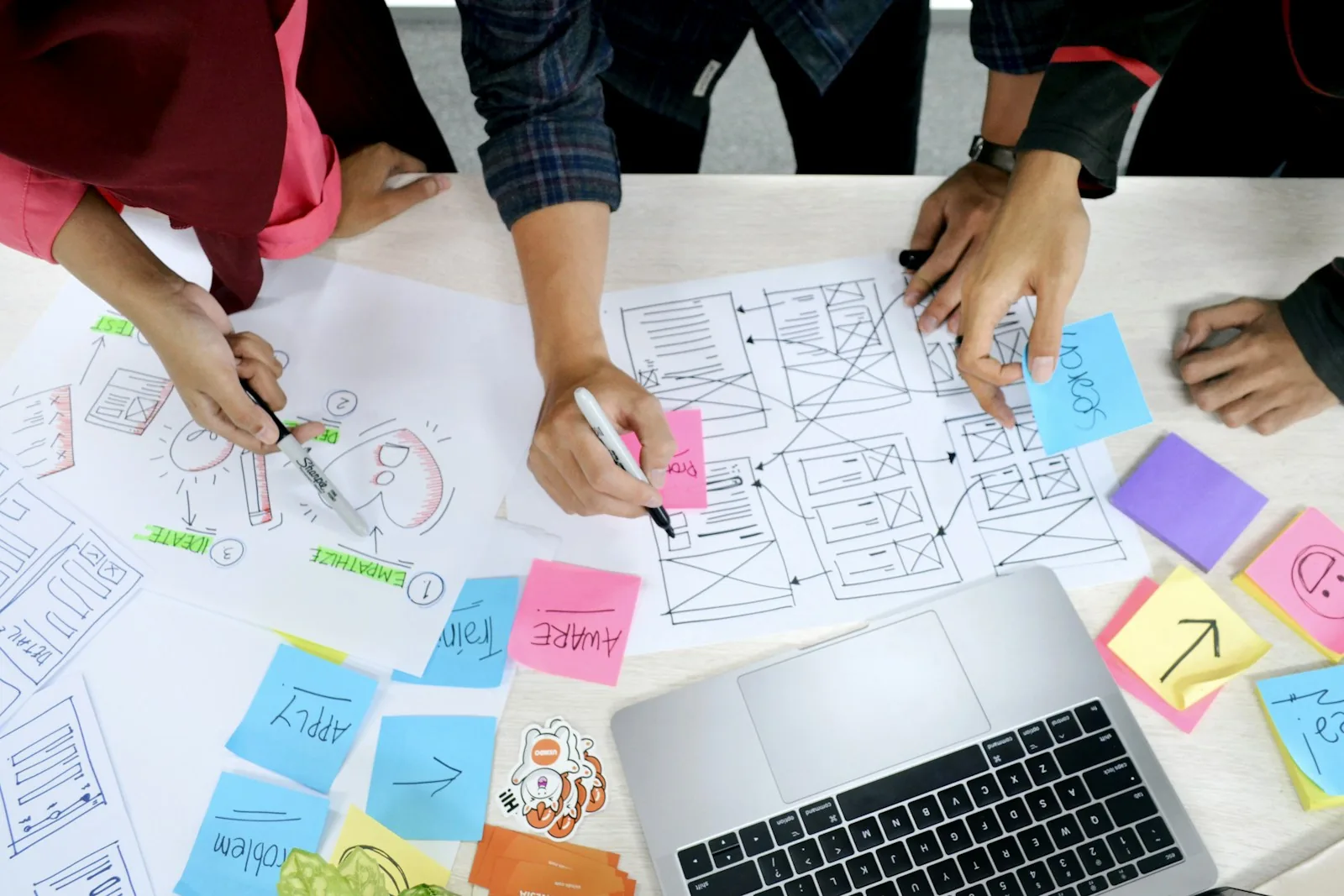
A tool inventory, a readiness scorecard, a sequenced roadmap and a build-ready backlog.
AI strategy engagements move through four phases. Each phase ends with an artifact that the next phase consumes.
Discover. Consultants interview business owners, review system inventories and collect every AI idea and tool already in use. Output: a use-case long list and an AI tool inventory.
Assess. Data and platform engineers test data access for the leading ideas and rate the six readiness dimensions. Output: a readiness scorecard.
Prioritize and sequence. Owners rank use cases with consultants and group them into delivery waves. Output: a sequenced roadmap with costs, dependencies and success metrics.
Enable. Architects write exit criteria, evaluation plans and a reference architecture for the first wave. Governance leads issue the policy and risk tiers. Output: a build-ready backlog for the first use case.
First-wave builds draw on cloud engineering for hosting and network isolation. Cybersecurity reviews test each design for data exposure before build approval.
07 / AI STRATEGY
Governance makes approval and ownership explicit, defines acceptable tools and establishes how systems are monitored and retired.

Match review depth to the impact of the decision.
Name one business owner and one technical owner.
Review provider terms and sanction a clear tool list.
Record purpose, data sources, version and owner.
Define output checks, drift reviews and shutdown criteria.
Governance decisions set who approves, monitors and retires each AI system. Strategy work fixes five governance decisions before engineering starts:
Risk tiers: classification rules that set review depth by the impact of each decision.
Accountable owners: one named business owner and one technical owner per system.
Approved tools and providers: a sanctioned list with data terms that replaces ad hoc tool use.
Model inventory: each AI system recorded with its purpose, data sources, version and owner.
Monitoring and retirement: output checks, drift reviews and criteria for switching a system off.
Organizations that pursue certification align these decisions with ISO/IEC 42001. Principles, frameworks and regulatory context behind them are covered in the AI governance guide.
08 / AI STRATEGY
A pilot moves forward when the evidence meets agreed criteria—not simply because the demo works.
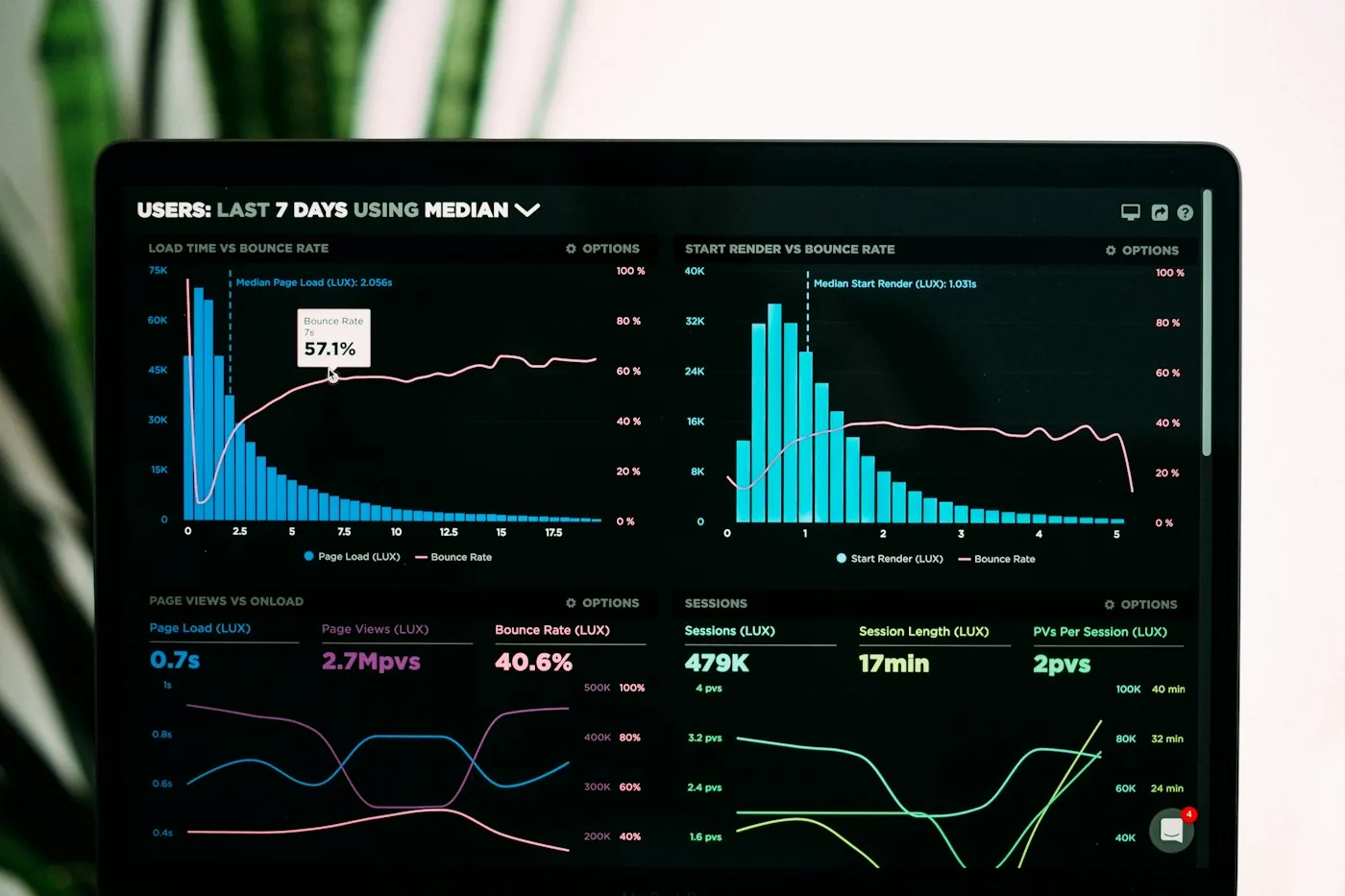
Meet a business-owned threshold on a held-out test set.
Stay within response-time and transaction-cost budgets.
Approve data classes, provider terms and access controls.
Put output where staff act and provide a fallback path.
Have monitoring, an incident owner and a re-evaluation schedule.
Production criteria turn a pilot's demo into a go-live decision. Strategy work writes them before the build starts:
Quality threshold: accuracy or task success on a held-out test set, with a minimum set by the business owner.
Latency and run cost: a response-time budget and a cost per transaction at expected volume.
Security and privacy review: approved data classes, provider terms and access controls.
Workflow fit: output that appears in the system where staff act, with a fallback path.
Operations readiness: monitoring, an incident owner and a re-evaluation schedule.
Test design for language model output is covered in the LLM evaluation guide.
09 / AI STRATEGY
Each roadmap item maps to a delivery service. Explore the routes below to see where the strategy becomes an implementation.

AI consulting ends where a ranked use case meets its delivery service. Each roadmap item follows one of eight engineering routes:
New product built around a model: AI software development
Multi-step tasks across business systems: agentic AI development
Model features inside current applications: AI integration
High-volume processes with fixed paths and variable inputs: intelligent automation
Field extraction from forms and invoices: AI document intelligence
Forecasts and risk scores for decisions: AI decision intelligence
Assistants inside daily work tools: AI copilot development
Answers drawn from company knowledge: enterprise AI search and knowledge retrieval
10 / AI STRATEGY
Fill a specific skills gap with a consultant, or use one provider for readiness, roadmap and first-wave enablement.

AI strategy work needs business, data and engineering judgment in one team. Sourcing decides which of those sit in-house.
Organizations with an AI lead and a working data platform hire AI consultants to close one gap, such as governance setup or use-case evaluation. Organizations without that base engage one provider for the readiness assessment, roadmap and first-wave enablement. Engagement teams draw on six roles:
AI strategy consultant: runs discovery, prioritization and roadmap sessions with business owners.
AI architect: reviews systems and platforms and writes the reference architecture.
Data engineer: tests data access, quality and lineage for the leading use cases.
Machine learning engineer: defines evaluation methods and model options per use case.
Governance and risk lead: drafts the policy, risk tiers and model inventory.
Change lead: plans training and adoption for staff whose work changes.
11 / AI STRATEGY
Find answers about data readiness, roadmap ownership, generative AI and starting with one stalled pilot.
No. AI strategy work starts with the data that exists today. Readiness findings show which use cases current data supports and which need pipeline or quality work first. Roadmaps then place that data work ahead of the use cases that depend on it. Early waves favor use cases whose records already sit in one system with a clear owner.
Named internal owners do. Each roadmap item carries a business owner and a technical owner from the client organization. Consultants hand over the scorecard, ranked portfolio, governance documents and first-wave backlog. Steering groups review the roadmap on a set cadence against its success metrics. Delivery partners then build against that roadmap without owning it.
No. Generative AI and predictive machine learning belong in one portfolio under one governance model. Differences sit inside each use case. Language model cases add evaluation sets for generated text, prompt and output controls and provider data terms. Predictive cases add labeled history and drift checks on input data. One roadmap keeps shared data and platform work from being built twice.
Yes. Strategy work can start from one stalled pilot and widen from there. Consultants test that pilot against production criteria: ownership, data access, evaluation results, integration path and security review. Findings show whether the pilot needs fixes, a new scope or retirement. Readiness gaps found in that review then seed the wider assessment across the organization.
12 / AI STRATEGY
Review ownership, data access, evaluation results, integration and governance. Leave with a gap list and a recommendation to proceed, rescope or retire.

Pick one AI pilot that worked in a demo and stalled before go-live. AppsGlobal reviews it against five production criteria: owner, data access, evaluation results, integration path and governance status. You receive a gap list, a recommendation to proceed, rescope or retire and the readiness dimensions to assess next. Any AI consulting company can then plan the next step from the same findings.