Introduction
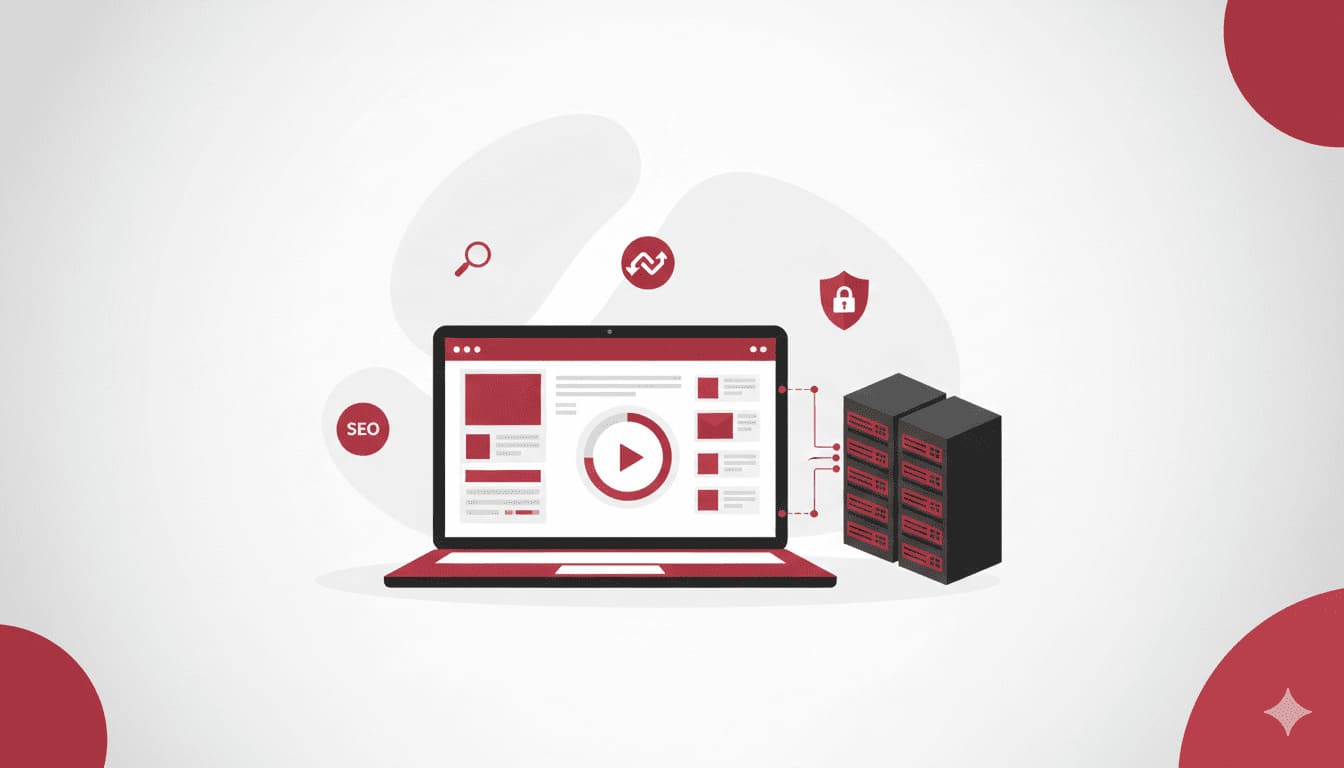
Choosing the right web development company is a pivotal step in building an online presence that aligns with your business goals. Whether you're creating a website from scratch or upgrading an existing one, the right partner can make a significant difference. A web development company doesn’t just build a website, but helps turn your ideas into a functioning platform that serves your customers, enhances user experience, and drives business growth.
This guide aims to simplify the process by outlining the key criteria to look for, expert tips on navigating the selection process, and insights into essential factors such as pricing, project management, and post-launch support. From understanding web design basics to the technical aspects of development, we'll cover everything you need to know to make an informed decision. By the end of this article, you will be equipped with the knowledge to choose a reliable web development partner who can deliver a high-quality, user-centric website that meets both your short-term needs and long-term business goals.
For more details on our expert web development services, visit our Web Development Page.
What is Web Design?
Web design is much more than creating aesthetically pleasing pages; it involves the entire process of designing the structure and visual elements of a website to ensure it is both functional and user-friendly. Good web design serves two purposes: it ensures an intuitive user experience (UX) and strengthens your brand’s online identity. The process combines graphic design, user interface (UI) design, and usability to create a seamless interaction between your website and its users.
At its core, web design focuses on layout, color schemes, fonts, images, and the overall organization of information on the site. Every design choice must be made with the user in mind, ensuring that the website not only looks good but works well across all devices and screen sizes.
Key Web Design Concepts and Elements
Understanding web design concepts is crucial when hiring a web development company. A well-designed website should do much more than look appealing; it should also function smoothly, keeping users engaged and helping achieve your business goals. Key elements of web design include:
Layout:
The arrangement of elements on a webpage, such as text, images, and navigation menus, significantly impacts user interaction. A well-organized layout helps users quickly find the information they’re looking for.Typography:
Typography refers to the fonts and text styles used on your website. It should be readable and consistent, ensuring your content is accessible to all visitors.Color Scheme:
Colors evoke emotions and contribute to your website’s branding. A balanced color scheme can enhance the aesthetics of the site while maintaining readability and user engagement.Navigation:
Clear, intuitive navigation helps visitors find their way around your website quickly. Well-structured menus, buttons, and links are crucial for user experience.Visual Hierarchy:
This refers to how design elements are arranged to draw attention to the most important content first. Using size, color, and placement strategically guides users through your site.
Each of these elements plays an essential role in ensuring that your website is not only visually appealing but also functional and user-friendly.
How to Choose the Right Web Development Company?
Selecting the right web development company involves more than just evaluating their portfolio; it’s about ensuring they align with your vision, budget, and long-term goals. Here’s a step-by-step guide on what to consider when hiring a web development company:
Identify Your Needs and Requirements:
Before you start searching for a web development company, define what you want your website to achieve. Do you need an e-commerce site? A portfolio? A corporate blog? Your requirements will help you choose a company with the right expertise.Research Their Expertise and Track Record:
Web development is a broad field, and different agencies specialize in different types of projects. For example, some companies focus on WordPress, while others specialize in custom development or mobile-first design. Look for a web development agency with a strong portfolio in your specific area of need, whether that’s a high-performance e-commerce platform or a custom application.Check Reviews and Testimonials:
A good way to gauge the reliability of a company is to check its client reviews and testimonials. These can provide insight into how the company operates, how satisfied their previous clients are, and whether they meet deadlines and expectations.Evaluate Their Process and Communication:
The development process is vital to the success of your project. Find out how the company manages projects. Do they follow an agile methodology? Do they provide clear milestones and timelines? Open and frequent communication is essential to keeping the project on track.Assess Technical Skills and SEO Knowledge:
Your website should be optimized for search engines from the ground up. Choose a company that not only understands design and development but also incorporates SEO best practices into their development process. This ensures your website will perform well in search engine rankings.Post-Launch Support and Maintenance:
Websites require ongoing maintenance and updates. Ask potential developers about their post-launch services, including support, updates, and security checks. A good web development partner will offer continued support to ensure your website runs smoothly.
How Much Should You Pay for Web Development?
The cost of web development varies widely depending on the complexity of the website, the experience of the developer, and the scope of the project. Generally, a simple website can cost between $1,000 and $5,000, while more complex websites can cost upwards of $50,000 or more.
Here are some factors that influence the cost of website development:
Project Complexity:
More features, custom design, and integration with other systems will increase the cost. A basic website with a few pages is cheaper than an e-commerce site with a custom shopping cart and user management.Experience and Location of the Agency:
Agencies in regions with a higher cost of living may charge more for their services. However, these agencies may also have more experience and provide higher-quality work.Type of Website:
Custom-built websites, like those that require specific coding and design, are typically more expensive than template-based sites built using platforms like WordPress.Ongoing Maintenance:
Some agencies charge additional fees for ongoing maintenance and updates. This can include software updates, security patches, and any future additions to the site.
You can find more about pricing models and detailed structures from Appsglobal’s pricing page.
What are the Golden Rules of Web Design?
The golden rules of web design are essential principles that guide designers to create websites that are not only attractive but functional and user-friendly. Here are five key rules to follow:
Clarity is Key:
Avoid clutter and unnecessary distractions. Your website should be clear and concise, making it easy for users to understand your message and find what they need.Consistency Across Pages:
Ensure that the design, fonts, and colors remain consistent throughout the website. Consistency improves usability and helps establish a professional brand image.Responsive Design:
In today’s mobile-first world, it’s essential to ensure your website is responsive. This means that it should automatically adjust to fit different screen sizes, whether it’s a phone, tablet, or desktop.Fast Load Time:
A slow website can drive users away. Research shows that 40% of people will abandon a website if it takes more than three seconds to load. Fast load times improve user experience and SEO performance.Accessibility:
Your website should be accessible to everyone, including people with disabilities. This includes providing alternative text for images, ensuring good color contrast, and making navigation easy for users with disabilities.
These rules form the foundation for effective web design and are essential for any web development partner to follow.
Red Flags to Watch When Hiring a Web Development Agency
While many web development companies offer great services, not all of them are the right fit for your project. Here are some red flags to watch out for when hiring a web development agency:
Unclear Pricing Models:
Beware of agencies that offer vague or non-transparent pricing. If the company can't provide a clear breakdown of costs and timelines, it could indicate issues with transparency.Lack of a Portfolio or Case Studies:
If a company can't show you previous work or case studies, it may lack the experience necessary to take on your project. Don’t settle for an agency that can’t provide examples of their work.No Clear Communication Process:
Poor communication is a significant red flag. Your web development company should keep you updated regularly, provide progress reports, and be responsive to your questions.Unrealistic Promises:
Beware of agencies that promise you a quick turnaround or guaranteed results. Quality web development takes time, and companies that promise quick fixes are likely cutting corners.
Conclusion
Choosing the right web development company is one of the most important decisions you’ll make for your online business. By carefully considering factors such as expertise, communication, portfolio, and ongoing support, you can ensure that your website is not only visually appealing but also optimized for performance, conversion, and long-term growth.
By following the tips in this guide, you’ll be well on your way to finding the perfect web development partner who can help turn your vision into reality. Whether you’re building a custom e-commerce site, a portfolio, or a blog, the right development company will ensure your website achieves its full potential.
For more information on web development services, explore our portfolio and services page.