In today’s subscription-driven and service-oriented economy, winning a customer is no longer the finish line, it’s just the beginning. Businesses that grow consistently are not the ones with the flashiest sales funnels, but those that retain customers, expand accounts, and build long-term relationships. This is exactly where customer success software plays a critical role.
As companies scale, managing customer relationships manually becomes nearly impossible. Teams struggle to track onboarding progress, identify churn risks, and measure customer health across hundreds or thousands of accounts. The result is lost revenue, unhappy customers, and reactive firefighting instead of proactive growth.
The “best” platform depends on your business model, customer base, internal processes, and growth stage. In this article, we’ll explore what customer success software really is, how it differs from CRM systems, which platforms are commonly used today, and when custom customer success software becomes the smarter choice, especially as we move into 2026.
What Is Customer Success and Why It Matters
Customer success in tech refers to the proactive process of helping customers achieve their desired outcomes while using your product or service. Unlike traditional support, which reacts to problems after they occur, customer success focuses on preventing issues before they arise. The goal is simple but powerful: when customers succeed, businesses succeed.
In software and digital services, customer success teams work closely with users throughout the entire lifecycle, from onboarding and adoption to renewal and expansion. They monitor product usage, identify risks, guide customers toward best practices, and ensure that value is continuously delivered. This makes customer success a revenue-driving function, not just a support role.
As software products become more complex and customer expectations rise, customer success has shifted from spreadsheets and intuition to structured systems. That shift is what gave rise to customer success platforms and specialized customer success management software.
Customer success is no longer a “nice to have.”
In growth‑driven companies, it’s essential.
At its core, customer success means ensuring your customers achieve their desired outcomes with your product or service.
This is different from simple support or service, it is proactive, not reactive.
In SaaS and tech, customer success keeps revenue healthy.
Here’s why:
It reduces churn, fewer customers leave
It increases expansion, customers spend more over time
It boosts referrals, happy customers recommend you
It builds competitive advantage, customers succeed because you help them
Think of customer success like a guided journey, from onboarding to advocacy.
Great software helps you move from guesswork to data‑driven actions so you can meet your customers where they are.
If you want your internal teams to deliver that consistent value, you need tools that support them.
Before we go further, let’s clear up a confusion many business owners face.
Customer Experience vs Customer Success: What’s the Difference
You may have heard the terms customer experience (CX) and customer success (CS) used interchangeably.
They are related, but not the same.
Customer Experience (CX)
Customer experience (CX) encompasses the full journey your customers have with your brand. From the first interaction with your website to post-purchase feedback, it’s all about the overall customer relationship.
CX is about ensuring that every touchpoint with your brand is positive and memorable.
It’s the overall feeling customers get throughout their journey with your brand.
Customer Success (CS)
Customer success is a more targeted approach to ensuring your customers achieve their desired outcomes with your product or service.
It’s a proactive strategy designed to help customers reach their goals and realize value.
It includes:
Onboarding and adoption
Usage tracking
Proactive guidance
Expansion opportunities
Customer Experience is broad, Customer Success is strategic.
A strong CX helps retention, but only a strong CS strategy actively drives customer growth and long‑term revenue.
Now let’s compare where software fits in.
What Is Customer Success Software?
Customer success software, often referred to as a customer success platform (CSP), is a system designed to help teams manage, measure, and improve customer outcomes at scale. It centralizes customer data, tracks engagement and usage, and provides insights that allow teams to act before problems turn into churn.
At its core, customer success software helps answer questions like: Which customers are at risk? Who hasn’t completed onboarding? Which accounts are ready for upsell? Without a dedicated platform, these insights are often buried across multiple tools, CRM, analytics dashboards, support tickets, and spreadsheets, making it hard to see the full picture.
Modern customer success tools go beyond simple tracking. They support health scoring, lifecycle playbooks, automation, analytics, and even AI-driven insights. For SaaS companies, digital service providers, and B2B platforms, customer success software has become a foundational part of the growth strategy.
CRM vs Customer Success Software: What’s the Difference
Many companies start with a CRM, like Salesforce or HubSpot, to manage leads and customer data.
But CRM alone is not enough for customer success.
CRM (Customer Relationship Management)
Focus: Sales, deals, pipeline
Purpose: Manage prospects and customer interactions
Best For: Marketing tracking, sales process effectiveness
CRMs help you track who your customers are, but they don’t help you understand how well those customers are doing.
A CRM system is essentially a centralized tool for managing customer data, including contact details, history of interactions, and potential sales opportunities.
CSM (Customer Success Management) Software
Customer Success Management software (CSM) is designed specifically for proactive customer engagement and ensuring customers achieve desired outcomes.
It focuses on driving long‑term value, reducing churn, and nurturing customer relationships after the initial sale.
Focus: Customer outcomes, retention, churn prevention
Purpose: Track health scores, onboarding stages, engagement milestones
Best For: Driving long-term value and renewals
In short:
A CRM tells you who the customer is.
A customer success platform tells you if the customer succeeds.
Many companies use both together, CRM for sales stages and CSM software for post‑sale success.
But if you want reducing churn and stronger renewals, customer success software is the core engine.
What the Best Customer Success Software Actually Does
Not all customer success tools are created equal.
But the best ones do three things:
1. Help You Understand Your Customer’s Health
The best platforms give you detailed visibility into your customer’s engagement with your product.
By combining usage data, support tickets, and feedback, the software creates a health score for each customer.
This lets you easily track how well they are succeeding.
2. Enable Proactive Engagement
To reduce churn, you need to take action before problems arise.
The best tools allow you to set up automated alerts and proactive playbooks that trigger customer success actions based on health scores and product usage.
You can reach out to struggling customers before they even realize they are at risk.
3. Drive Business Growth
A good customer success platform doesn’t just help you prevent churn, it helps you grow your revenue.
By identifying opportunities for upsells, cross-sells, and renewals, it drives increased customer lifetime value.
These platforms also foster customer advocacy, turning satisfied customers into powerful brand ambassadors.
Key Features of Top Customer Success Platforms
Not all software is equal.
Here are the features that make the difference:
Customer Health Scoring
Health scoring is the backbone of any customer success platform. It aggregates usage, support, and engagement data into a simple score that indicates the overall health of the customer relationship.
Lifecycle Playbooks
Predefined workflows guide customer success teams on how to engage customers at various stages of their journey. Playbooks are tailored to different customer needs, ensuring consistent and timely support.
Integration with Your Tech Stack
Your customer success tools should integrate with your other systems, CRM, billing, product usage, and support tools. This integration enables a seamless experience and consistent data across platforms.
Analytics and Reporting
Dashboards and reports give you visibility into key success metrics, like churn, revenue growth, and customer engagement. Customizable reports help you measure the effectiveness of your success strategies.
AI‑Driven Insights
AI-driven tools provide predictive analytics to identify trends, recommend actions, and predict customer behavior. AI enables customer success teams to make data-backed decisions and take proactive actions.
Digital Customer Success
Some customers succeed without heavy human interaction. Great software supports this by automating key success processes like onboarding, health checks, and renewals.
Customer Success Platform Examples (Top CSP Software in 2026)
Here’s a look at notable platforms that serve different business needs.
1. Gainsight
Gainsight is an enterprise-grade platform with powerful features, including advanced health scoring, lifecycle automation, and predictive insights. It’s perfect for large organizations that need robust customer success management tools.
2. Custify
Custify is a great option for growing SaaS companies. It features onboarding tools, clear health score dashboards, and playbooks that guide teams through the customer success process.
3. Totango
Totango is a versatile platform suitable for both small businesses and larger teams. It offers flexible segmentation, success programs, and real-time alerts that help you stay on top of customer needs.
4. Zendesk Customer Success Tools
Zendesk's suite of customer success tools integrates perfectly with its popular support platform. If you’re already using Zendesk, their customer success features provide a seamless solution for managing customer journeys.
5. Custom Customer Success Software
For businesses with unique needs, custom customer success software allows you to create tailored workflows, integrations, and reporting structures.
Custom vs. Off‑the‑Shelf Customer Success Software
Every business is different.
That’s why the choice between custom and prebuilt software matters.
Off‑the‑Shelf
Benefits:
Fast to launch
Lower upfront investment
Prebuilt success tools
Ready integration with common systems
Challenges:
Less customization to your unique processes
May force you to adapt your workflows to the tool
Licensing costs can rise with growth
Custom Customer Success Software
Custom solutions are developed for your exact needs.
Benefits:
Designed for your team and your process
Full control of features and UX
Easier long term scalability
Challenges:
Higher upfront development cost
Longer build time
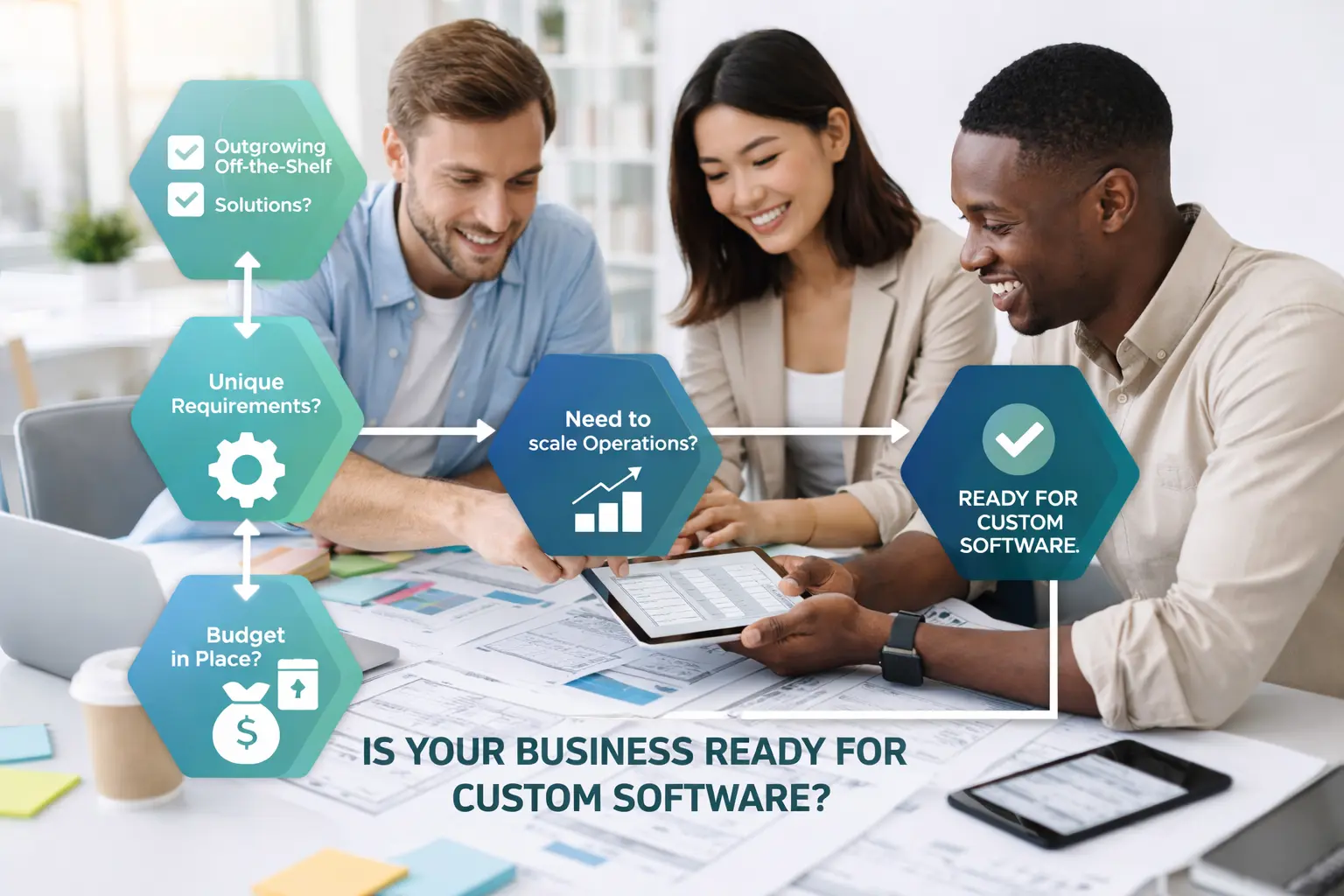
Custom software makes sense when:
Your workflows are unique
You have complex lifecycle and success logic
You want full ownership of your success ecosystem
How Great Customer Success Software Reduces Churn
Reducing churn is one of the strongest indicators that customer success is working.
The right software helps by:
Predicting Risk Early
Instead of waiting for cancellations, you identify patterns that signal risk.
Automating Intervention
Playbooks can automatically trigger outreach when health scores dip.
Tracking Engagement Over Time
You get visibility into which features or behaviors correlate with renewals.
Aligning Internal Teams
Sales, support, and success teams work from the same data.
Together, these drive:
Faster onboarding time
Higher product adoption
Stronger renewal rates
Customer Success Roles, What Does a Customer Success Team Do?
Even with the best platform, people matter.
Here are key roles within a modern customer success team:
Customer Success Manager (CSM)
Primary point of contact for customers
Guides onboarding, adoption, and health reviews
Drives renewals and expansions
Success Operations
Manages tools and internal workflows
Ensures data accuracy
Supports process optimization
Renewal Specialists
Focuses on contract renewals and expansions
Handles pricing discussions and renewals strategy
Customer Success Analysts
Interprets data
Builds reports
Measures KPIs
Software becomes their central nervous system, the place where insights, trends, and actions converge.
Customer Success Metrics You Need to Track
Metrics tell you if your efforts are working.
Here are the most important:
1. Churn Rate
Percentage of customers who leave.
Lower churn = stronger success.
2. Customer Health Score
Composite measure of engagement, usage, feedback.
3. Net Revenue Retention (NRR)
Shows how revenue grows from existing customers.
4. Expansion Revenue
Revenue from upgrades and add‑ons.
5. Time to Value
How quickly a customer achieves meaningful results.
With good software, these metrics become visible and actionable.
How to Evaluate the Right Customer Success Platform
Here’s a simple framework you can use:
1. Define Your Goals
Ask yourself:
Are you focused on churn reduction?
Do you need deeper analytics?
Is ease of use important?
Will you scale fast?
2. Check Key Capabilities
Evaluate if the platform provides:
Health scoring
Lifecycle playbooks
Integration flexibility
Analytics and reporting
3. Consider Team Adoption
If the tool is too complex, your team won’t use it.
4. Think Long Term
Will it scale with your business to 2026 and beyond?
5. Evaluate Support and Training
Good vendors offer onboarding help and training.
If you want help evaluating platforms or building a custom solution to ensure alignment with your goals, consider exploring CRM and support services or viewing software pricing options to plan your next steps.
Customer Success Software for SaaS, Why It’s Essential
In SaaS businesses:
Revenue comes from subscriptions
Churn directly impacts growth
Adoption determines product value
That’s why customer success software for SaaS is not optional, it’s strategic.
It helps you:
See real product usage
Identify ideal customer profiles
Scale success without burnout
This makes customer success a growth engine, not just a support function.
Top Customer Success Tools, A Quick Comparison
Feature | Gainsight | Custify | Totango | Zendesk CS |
Health Scoring | Yes | Yes | Yes | Limited |
Playbooks | Advanced | Good | Good | Moderate |
AI Insights | Yes | Optional | Limited | No |
CRM Integration | Strong | Moderate | Strong | Excellent |
Best For | Enterprise | Growing SaaS | Flexible Mid‑Market | Support‑Centric |
This comparison should help you decide based on your business size and priorities.
The Future of Customer Success in 2026 and Beyond
Customer success software is evolving fast:
AI Actually Delivering Value
AI is moving beyond buzz to actionable predictions and next‑best actions.
Unified Data to Scale Success
Platforms are pushing toward integrated ecosystems that unify data across product, sales, and support.
Digital CS Capabilities
Self‑service onboarding and in‑app success tools let you scale without adding headcount.
Right Metrics at the Right Time
The best platforms help teams focus on leading indicators, not just lagging outcomes.
Customer success is quickly becoming the center of growth strategy, not just a retention function.
Conclusion:
There is no one‑size‑fits‑all answer.
The best platform is the one that:
Matches your business goals
Supports your growth strategy
Provides insight, automation, and actionability
Integrates with your tech stack
Delivers measurable ROI
If your business is serious about reducing churn, increasing loyalty, and driving long‑term revenue, investing in the right customer success platform is essential.
Whether you choose a powerful off‑the‑shelf option like Gainsight or Custify, or build a custom customer success solution, the key is clarity of needs, aligned processes, and a plan to use data to drive decisions.