Introduction
The business landscape in 2026 is evolving rapidly. Digital transformation, automation, and the growing importance of technology in business operations are all shaping the future. Companies are expected to be faster, more adaptable, and customer-centric. In this environment, off-the-shelf, generic software that’s designed for the masses can no longer provide the flexibility and scalability businesses need. This is where custom software development comes into play.
Custom software is specifically designed to meet the unique needs of your business, offering tailored solutions that improve efficiency, control, and security. For growing small and medium enterprises (SMEs), startups, and even large enterprises, the ability to leverage technology that fits their precise needs is no longer a luxury, it’s a necessity.
In this guide, we’ll explore the importance of custom software in 2026 and how it can help businesses thrive in today’s competitive landscape.
What Is Custom Software Development?
Custom software development is the process of creating software tailored to the specific needs of a business, instead of using one-size-fits-all solutions. This means that the software is built to meet the exact requirements of the organization, addressing unique challenges and streamlining operations.
Tailored solutions refer to software that is custom-built to fit the particular workflows, processes, and objectives of a business. Unlike off-the-shelf software that is designed for a broad audience, custom software is designed specifically for the user, ensuring that it is optimized for the best performance.
When businesses choose custom software, they are opting for a solution that is adaptable, scalable, and built to evolve as their needs change.
Why Is Custom Software Important for Businesses Today?
As businesses face more complex challenges in 2026, custom software becomes an essential tool for staying ahead. Here’s why:
- Boosts productivity: Custom software is built around your business processes, eliminating unnecessary steps and optimizing workflows, which in turn enhances productivity.
- Supports scalability: Custom solutions can evolve as your business grows, with new features and integrations added as needed, ensuring that your software remains effective long-term.
- Improves control: With custom software, you have full ownership and control over how the software operates, including updates, features, and security measures.
In a highly competitive environment, businesses that can leverage technology to improve efficiency and deliver a better customer experience will have a distinct advantage.
Who Needs Custom Software Development?
Custom software is beneficial for various types of businesses, including:
- SMEs and startups: These businesses often need specialized solutions to meet the demands of a niche market.
- Growing businesses with unique workflows: Companies that have complex operations or unique business models can benefit from custom software that addresses their specific needs.
- Enterprises with complex operations: Large businesses with intricate workflows and multiple departments need custom software to integrate their systems and streamline processes.
- Businesses scaling fast or expanding digitally: When companies are scaling rapidly, they often face challenges with off-the-shelf software that wasn’t designed to handle increased demand or new business models.
Industries such as healthcare, finance, retail, SaaS, logistics, and hospitality benefit the most from custom software development, as they require specialized solutions to handle sensitive data, complex regulations, and unique customer demands.
Benefits of Custom Software Development
Custom software offers a range of advantages for businesses looking to optimize their operations and stay competitive:
- Tailored Solutions That Fit Your Needs
- Custom software is designed around your specific business processes. This ensures that no unnecessary features are included and that the software addresses real operational problems, making it a valuable tool for your business.
- Growth and Scalability
- Custom software is built to grow with your business. New features can be added over time, and the software can be easily scaled to meet the demands of a growing company.
- Operational Efficiency & Faster Processes
- Automation of repetitive tasks and reduced manual errors result in improved internal workflows and faster processes.
- Seamless Integrations
- Custom software can easily integrate with your existing tools, CRMs, ERPs, and APIs. This ensures that there are no data silos and that your systems can communicate smoothly, creating a seamless experience.
- Enhanced Security
- Custom software provides additional layers of security, offering more control over sensitive data and fewer vulnerabilities than off-the-shelf software.
- Full Ownership & Control
- You own the source code and have full control over your software. This means you are not locked into a vendor’s system and can modify, upgrade, or scale your software at any time.
- Improved Customer Experience
- Custom software is designed with your end users in mind, providing a more user-friendly interface and improving performance on both web and mobile platforms.
- Competitive Advantage
- Custom software allows businesses to create unique functionalities that their competitors don’t have, providing a clear market differentiation and the ability to innovate faster.
- Cost Efficiency Over Time
- While custom software development may come with a higher upfront cost, the long-term savings are significant. There are no recurring license fees, and you pay only for the features you need, making it a more cost-effective solution in the long run.
Role of Custom Software Development in Modern Business Success
In 2026 and beyond, custom software will continue to be a critical component of business success. As companies increasingly rely on digital transformation to stay competitive, custom solutions will enable businesses to streamline operations, enhance security, and offer a superior customer experience. By investing in tailored software, businesses can align technology with their unique goals, ensuring long-term growth and sustainability.
Why Invest in Custom Software in 2026?
The rapidly changing business environment in 2026 has raised the bar for technology adoption. Consumer expectations are shifting towards mobile-first, performance-driven experiences. To meet these demands, businesses need software that is flexible, fast, and capable of adapting to evolving market conditions.
Custom software allows companies to break free from the limitations of rigid, off-the-shelf solutions, enabling them to innovate, respond to customer needs more effectively, and scale without constraints.
What Are the Advantages and Disadvantages of Customized Software?
Advantages
- Flexibility: Custom software can be modified to suit evolving business needs.
- Control: With full control over the software, businesses can ensure it remains aligned with their goals.
- Security: Enhanced security features ensure protection against data breaches and unauthorized access.
- Scalability: Custom solutions can grow alongside your business, ensuring they are always relevant.
- Better alignment with business goals: Custom software is built to fit your business processes, ensuring a perfect match with your objectives.
Disadvantages
- Initial development cost: The upfront cost of developing custom software can be higher than purchasing off-the-shelf solutions.
- Development time: Custom software development takes time to ensure it meets all requirements.
- Need for proper planning: Businesses must invest time in defining their needs and planning the development process thoroughly to ensure a successful outcome.
What Are Examples of Custom Software?
Custom software is used in various industries and can include:
- Custom CRM systems
- ERP solutions
- SaaS platforms
- Booking & reservation systems
- Industry-specific dashboards
- Internal management tools
Legal Ownership of the Product
One of the key benefits of custom software development is that businesses retain legal ownership of the software and its source code. This ensures that they have full control over the software, including intellectual property rights and licensing. Ownership protects businesses from vendor lock-in and ensures that they can make modifications or upgrades as needed, even if the original development company is no longer involved.
Custom Software vs Off-the-Shelf Software (Quick Comparison)
Feature | Custom Software | Off-the-Shelf Software |
| Fit to business needs | Fully tailored | Generic |
| Scalability | High | Limited |
| Ownership | Full ownership | Vendor-controlled |
| Security | Customized | Standard |
| Cost over time | Cost-effective | Ongoing fees |
| Flexibility | High | Low |
How to Choose the Right Custom Software Development Partner
When choosing a custom software development partner, it’s important to consider factors such as experience, communication, and expertise in your industry. The development process should be collaborative, with clear timelines, deliverables, and ongoing support. Selecting the right partner will ensure that your custom solution is aligned with your business goals and can evolve as your business grows. Learn more about choosing the Custom Software Development Company.
How Much Does Custom Software Development Cost?
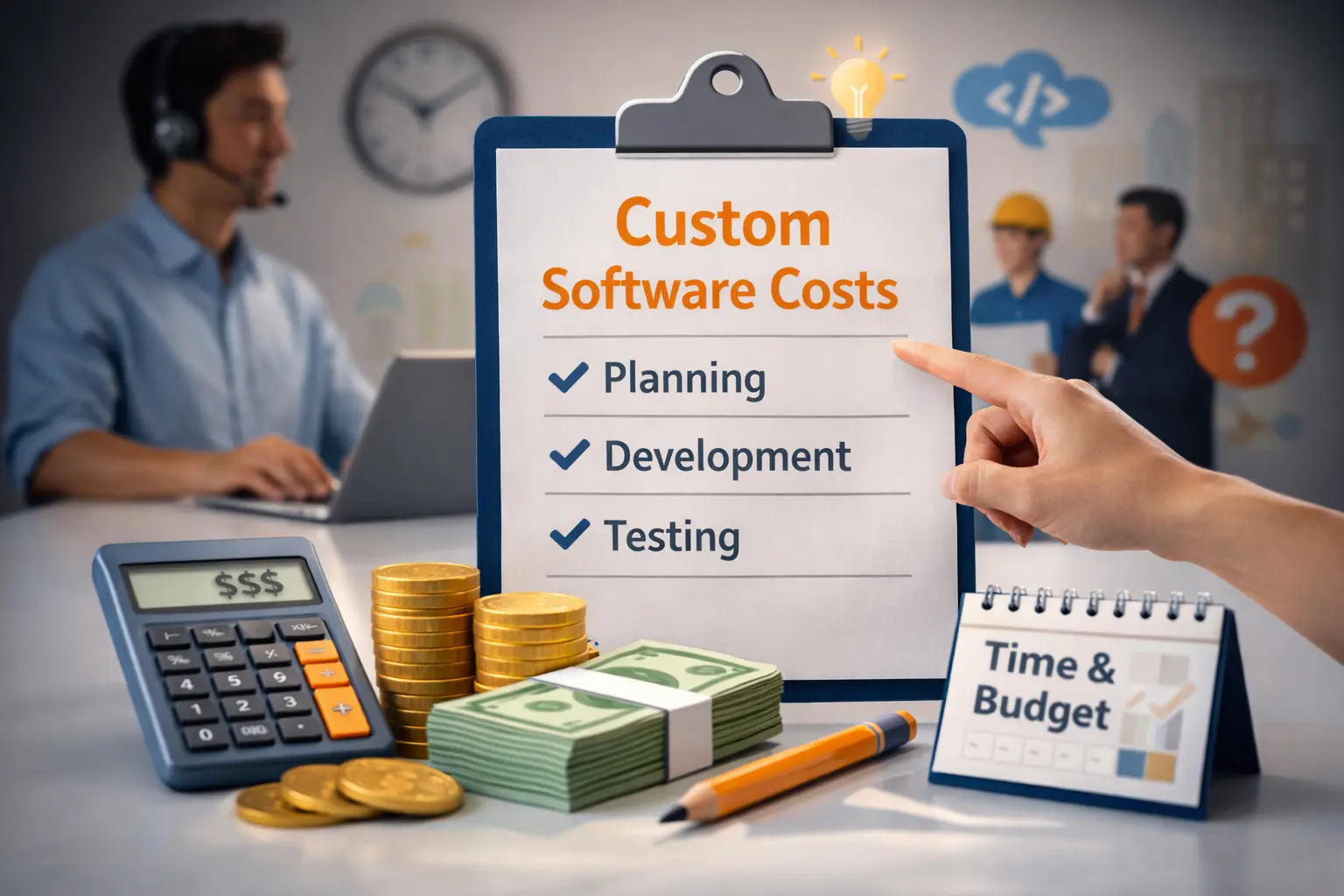
The cost of custom software development varies depending on factors such as complexity, features, and development time. However, businesses should focus on the long-term ROI that custom software offers, rather than just the upfront cost. Find out more about the factors affecting custom software development costs.
Real-World Custom Software Use Cases
Custom software can provide innovative solutions across various business processes, such as optimizing operations, replacing legacy systems, and developing unique market solutions. Explore a real-world use case for custom software development.
Conclusion: Is Custom Software Worth It?
Custom software is not just a trend, it’s a strategic investment for businesses aiming for long-term success. The flexibility, control, and scalability offered by custom solutions make them ideal for SMEs, startups, and large enterprises alike. When custom software makes sense for your business, the long-term benefits far outweigh the initial investment.
If you’re considering custom software for your business, explore our services for tailored software solutions. Let’s discuss how we can help you achieve your goals with a custom-built solution designed just for your business.