The Importance of a Resilient IT Infrastructure
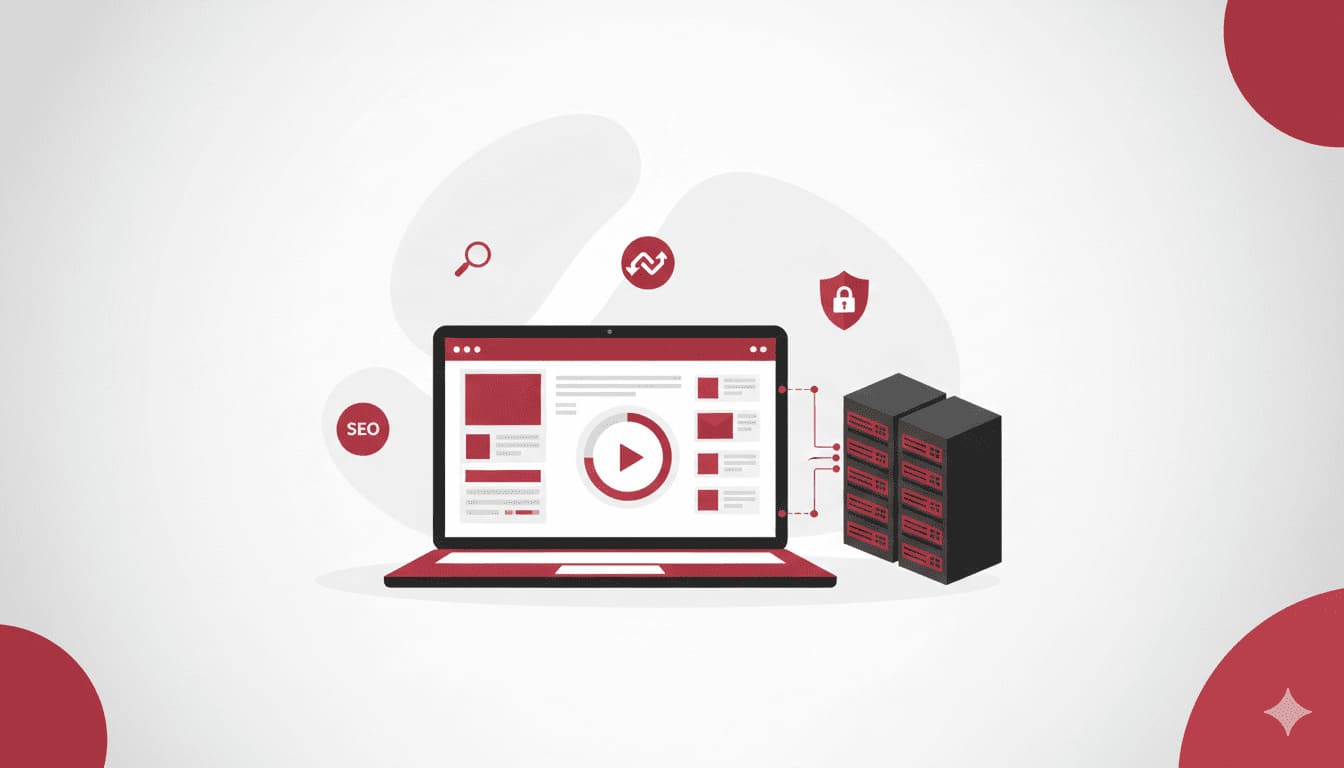
In today’s rapidly evolving digital landscape, an organization’s IT infrastructure is the backbone of its operations. From supporting daily business functions to enabling new technological innovations, a resilient IT framework is paramount. In this blog, we will explore the critical components that make up a robust IT infrastructure and provide insights on how to build one that not only meets current needs but is also scalable for future demands.
Understanding IT Infrastructure
IT infrastructure includes all the physical and virtual resources that support the flow, storage, processing, and analysis of data within an organization. Specifically, it comprises:
- Hardware: Servers, computers, data centers, switches, and networking equipment.
- Software: Operating systems, applications, and management tools.
- Network: Connectivity via local area networks (LAN), wide area networks (WAN), and the internet.
- Data: Databases and storage solutions that house critical business information.
- People: IT professionals and end-users who interact with the infrastructure.
Key Components of a Resilient IT Infrastructure
To build an IT infrastructure that can withstand the challenges of an ever-changing technological landscape, organizations should focus on several key components:
1. Redundancy
Redundancy ensures that if one component fails, others can take over without disrupting service. Implementing redundant systems can involve:
- Using multiple servers to host applications.
- Deploying backup power supplies for critical hardware.
- Leveraging data replication techniques to secure important files.
2. Scalability
A scalable IT infrastructure can grow with the organization. As business needs change, the infrastructure should adapt readily. This can be achieved by:
- Opting for cloud services that allow on-demand resource allocation.
- Designing systems where new components can be added easily.
3. Security
With increasing cyber threats, prioritizing security is fundamental. Effective strategies include:
- Implementing firewalls and intrusion detection systems.
- Conducting regular security audits and penetration testing.
- Ensuring regular updates and patches to software and hardware.
4. Monitoring and Management
Continuous monitoring allows for early detection of potential issues, which can be addressed before they escalate. Tools and practices include:
- Utilizing network monitoring solutions that provide real-time alerts.
- Implementing centralized management platforms to streamline operations.
Best Practices for Building a Resilient IT Infrastructure
Aside from the key components, there are several best practices organizations should consider when building a resilient IT infrastructure:
1. Conduct a Comprehensive Assessment
Before making any changes, conduct a thorough assessment of your current IT infrastructure. Identify strengths, weaknesses, and areas for improvement. This will guide your strategy and ensure that you address the most critical issues first.
2. Invest in Training and Talent
Your infrastructure is only as strong as the people who manage it. Invest in training programs that equip your IT team with the latest skills and knowledge. This not only enhances their performance but also helps in retaining top talent.
3. Embrace Cloud Technology
Cloud computing can significantly enhance the flexibility and resilience of your IT infrastructure. Embrace hybrid and multi-cloud environments that balance on-premise resources with cloud services to ensure redundancy and scalability.
4. Implement Disaster Recovery Plans
Having a disaster recovery (DR) plan in place is vital for business continuity. This plan should include data backup solutions, emergency contact lists, and procedures for restoring critical operations quickly.
5. Foster a Culture of Collaboration
Encourage collaboration between different departments, especially between IT and other business units. Understanding the needs of various teams can lead to better infrastructure decisions and innovation.
Conclusion
In conclusion, a resilient IT infrastructure is essential for organizations aiming to thrive in a fast-paced digital world. By focusing on redundancy, scalability, security, and effective monitoring, companies can create an IT environment that not only supports current operations but also prepares them for the future. Remember, investing in your IT infrastructure today will pay dividends tomorrow.