Introduction
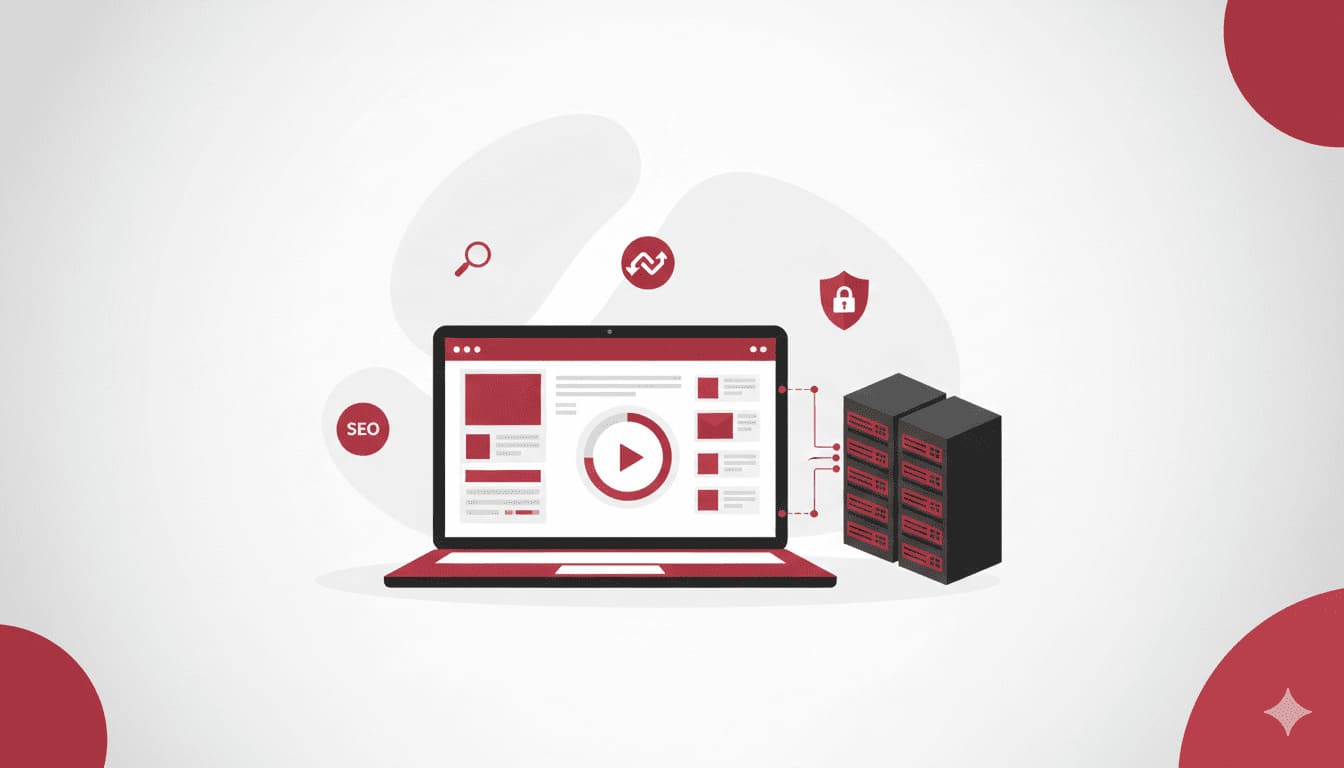
In today's dynamic business environment, the ability to scale IT infrastructure efficiently is essential for organizations seeking to maintain a competitive edge. Whether you're a startup preparing for rapid growth or an established enterprise facing increased demand, proper scaling strategies can help you navigate the complexities of IT management.
Understanding IT Infrastructure Scaling
IT infrastructure scaling refers to the ability to adjust resources—such as servers, storage, and networking—to accommodate growing business demands. It can be categorized into two main types:
- Vertical Scaling (Scale-Up): This involves adding more power (CPU, RAM) to an existing machine.
- Horizontal Scaling (Scale-Out): This involves adding more machines to a pool of resources, allowing for distributed processing.
Why Scaling is Important
As businesses expand, their technological needs become more complex. Proper scaling helps ensure that IT infrastructure can support:
- Increased Traffic: Websites and applications must handle more user requests without performance degradation.
- Data Growth: More users generate more data, requiring efficient data management and storage solutions.
- Operational Efficiency: Your IT team can focus on strategic initiatives rather than troubleshooting infrastructure issues.
Strategies for Effective Scaling
Implementing effective scaling strategies involves careful planning and execution. Below are key strategies to consider:
1. Assess Your Current Infrastructure
The first step towards effective scaling is to evaluate your existing IT infrastructure. Identify bottlenecks and areas that require improvement. Use performance metrics to gauge your current capacities, including:
- Traffic load
- Resource utilization
- Response times
2. Implement Cloud Solutions
Cloud computing offers remarkable flexibility and scalability. By leveraging cloud services, organizations can:
- Quickly provision resources based on demand.
- Utilize pay-as-you-go pricing to optimize costs.
- Access cutting-edge technologies and services without heavy investments.
3. Embrace Microservices Architecture
Transitioning to a microservices architecture allows for more manageable scaling. This approach breaks down applications into smaller, independent services that can be scaled independently. Benefits include:
- Improved fault isolation
- Easier deployment and updates
- Greater flexibility in resource allocation
4. Optimize Resource Allocation
Regardless of your scaling approach, optimizing resource allocation is critical. Implement strategies such as:
- Load Balancing: Distribute incoming traffic evenly across multiple servers to prevent overload.
- Auto-Scaling: Automatically adjust the number of active servers based on real-time demand.
5. Monitor and Analyze Performance
Continuous monitoring of your infrastructure is essential for effective scaling. Utilize monitoring tools to:
- Track system performance.
- Detect anomalies or performance degradation.
- Analyze data trends for proactive scaling decisions.
Challenges in Scaling IT Infrastructure
While scaling brings numerous benefits, it also poses challenges that organizations must address:
- Cost Management: Rapid scaling can lead to overspending if not properly managed.
- Complexity: As systems grow, so do the complexities associated with managing them.
- Security Concerns: Increased resources can introduce new potential vulnerabilities.
Best Practices for Scaling
To overcome the challenges and effectively scale your IT infrastructure, consider the following best practices:
- Create a Scaling Plan: Develop a comprehensive strategy that outlines when and how you intend to scale your IT resources.
- Invest in Training: Ensure your IT team is equipped with the necessary skills to manage scaled environments.
- Engage Stakeholders: Utilize input from all relevant parties to align scaling strategies with business objectives.
- Patience and Iteration: Scaling is not a one-time event; it requires ongoing adjustments and improvements.
Conclusion
Successfully scaling your IT infrastructure is a vital investment for any organization that seeks to thrive in a digital age. By assessing current capacities, leveraging cloud solutions, adopting modern architectures, and embracing best practices, businesses can enhance performance, maintain cost-efficiency, and drive growth.
Call to Action
Ready to enhance your IT infrastructure? Start today by analyzing your current systems and identifying areas for scaling. Engage with cloud service providers and explore innovative solutions to meet your business needs.