Understanding the Importance of Cybersecurity Investment
In today’s digitally driven world, the frequency and sophistication of cyber threats have increased, making cybersecurity more crucial than ever. Organizations of all sizes are realizing that cybersecurity is not just an IT issue but a fundamental aspect of business resilience and sustainability.
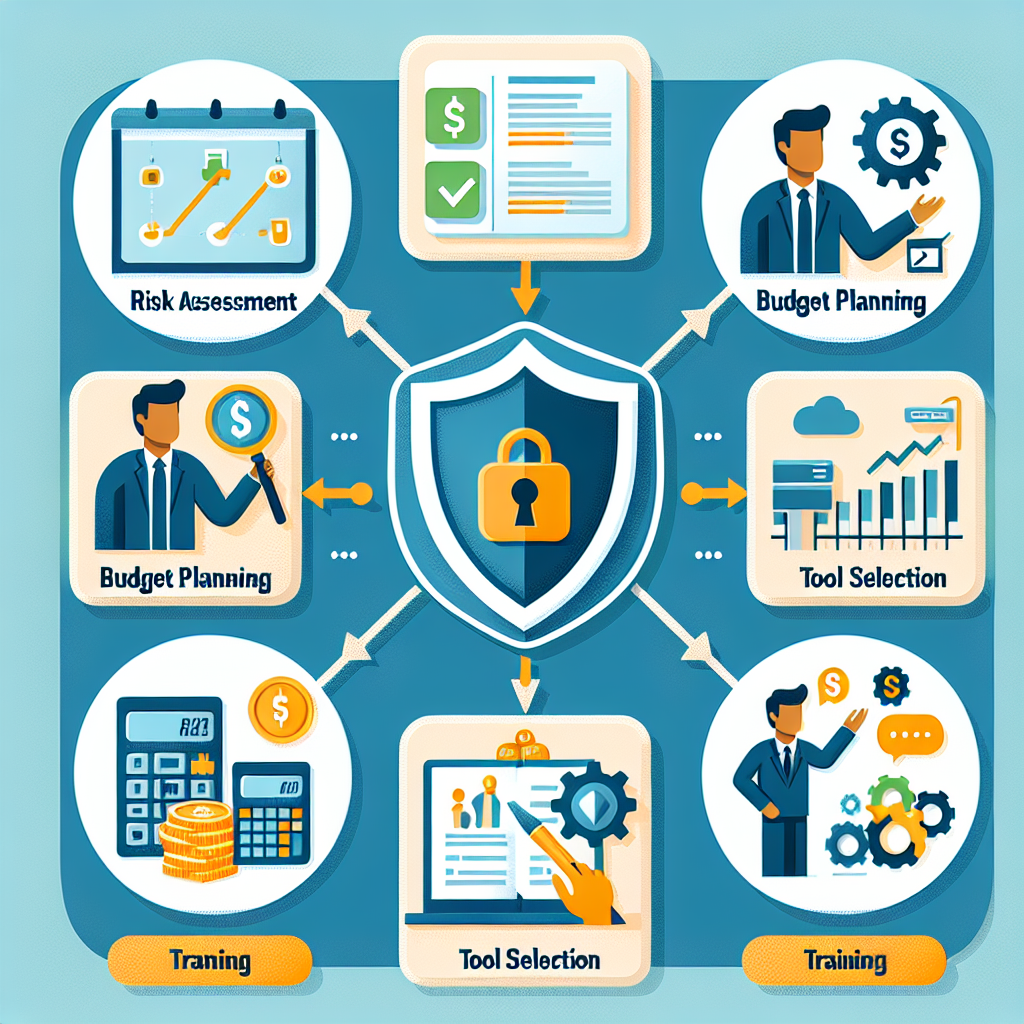
Investing in cybersecurity is about more than just purchasing software or hardware; it encompasses creating a protective culture, implementing robust policies, and employing trained personnel. A well-structured investment strategy can significantly lower the risk of breaches and the financial repercussions that follow.
1. Assessing Your Current Security Posture
Before you start planning for cybersecurity investments, it’s essential to evaluate where your organization currently stands concerning cybersecurity.
- Conduct Risk Assessments: Identify your organization’s critical assets, potential threats, and vulnerabilities. Understanding these factors is crucial for determining necessary investments.
- Evaluate Existing Tools: Review the effectiveness and coverage of your current cybersecurity solutions. Are they up to date? Do they integrate well with each other?
- Engage Stakeholders: Collaborate with IT, management, and other departments to gain a comprehensive understanding of the cybersecurity landscape within your organization.
2. Setting a Realistic Budget
Cybersecurity investment should be approached much like any other business expense. However, the budget for cybersecurity can often be overlooked or underestimated.
Components to Consider When Budgeting:
- Software and Hardware: This includes firewalls, antivirus solutions, intrusion detection systems, and hardware upgrades.
- Training and Awareness Programs: Regular training for employees on cybersecurity best practices is vital. It’s often said that employees are the first line of defense.
- Incident Response Plans: Preparing for potential breaches requires investment in planning and resources to respond effectively if an incident occurs.
- Regular Assessments and Audits: Plan for continuous evaluation of your systems through periodic assessments and audits.
3. Determining Investment Priorities
Once you have a clear picture of your current posture and an established budget, it’s time to prioritize where to allocate your resources.
Steps for Prioritization:
- Focus on Critical Assets: Identify and prioritize investments that protect your most critical assets, such as sensitive data or essential infrastructure.
- Follow Regulatory Compliance: Ensure that your investments align with industry compliance requirements to avoid fines and reputational damage.
- Evaluate Multi-Layered Defense: Consider a defense-in-depth approach that utilizes multiple security layers, such as network security, endpoint protection, and user education.
4. Selecting the Right Tools and Technologies
The cybersecurity landscape is continuously evolving, marked by an endless array of tools and solutions for businesses to choose from.
Key Considerations When Selecting Tools:
- Integration: Ensure that new tools can integrate with your existing systems to avoid creating security gaps.
- Scalability: Choose solutions that can scale with your business as it grows or changes.
- Reputation and Reviews: Research vendors and seek feedback from other companies to gauge reliability and effectiveness.
5. Building a Cybersecurity Culture
A robust cybersecurity strategy extends beyond technology—it involves fostering a culture of awareness throughout the organization.
Steps to Cultivate Cyber Awareness:
- Regular Training: Offer ongoing cybersecurity training for all employees, tailored to their specific roles and responsibilities.
- Promote Open Communication: Encourage staff to report suspicious activity and provide a clear pathway for them to do so.
- Leadership Involvement: Leadership should actively engage in cybersecurity initiatives to demonstrate their importance.
6. Monitoring and Adjusting Your Investment Strategy
Cybersecurity is not a set-it-and-forget-it process. Continuous monitoring and adjustment are essential in responding to the dynamic threat landscape.
Best Practices for Ongoing Evaluation:
- Regularly Review Investments: Schedule frequent evaluations to assess the performance of your cybersecurity investments.
- Stay Informed: Keep abreast of emerging threats, vulnerabilities, and security technologies to adapt your strategy as necessary.
- Engage with Cybersecurity Communities: Participate in forums and groups to share experiences and learn from others in the field.
Conclusion
Investing wisely in cybersecurity is a fundamental aspect of safeguarding your organization against evolving threats. By assessing your current security posture, setting a realistic budget, prioritizing investments, selecting the right tools, and cultivating a proactive cybersecurity culture, you create a robust defense that not only protects your assets but also instills confidence in your stakeholders.
Incorporate these strategies into your cybersecurity investment planning to ensure your organization is poised to face the challenges of today’s digital landscape.