Introduction
Investing in real estate can be a lucrative venture, but it requires more than just buying properties and hoping for appreciation. To achieve optimal performance, investors need to adopt a proactive approach to managing and improving their investments. This blog will explore various strategies and tips to enhance real estate investment performance, ensuring long-term success for your portfolio.
Understanding Real Estate Investment Performance
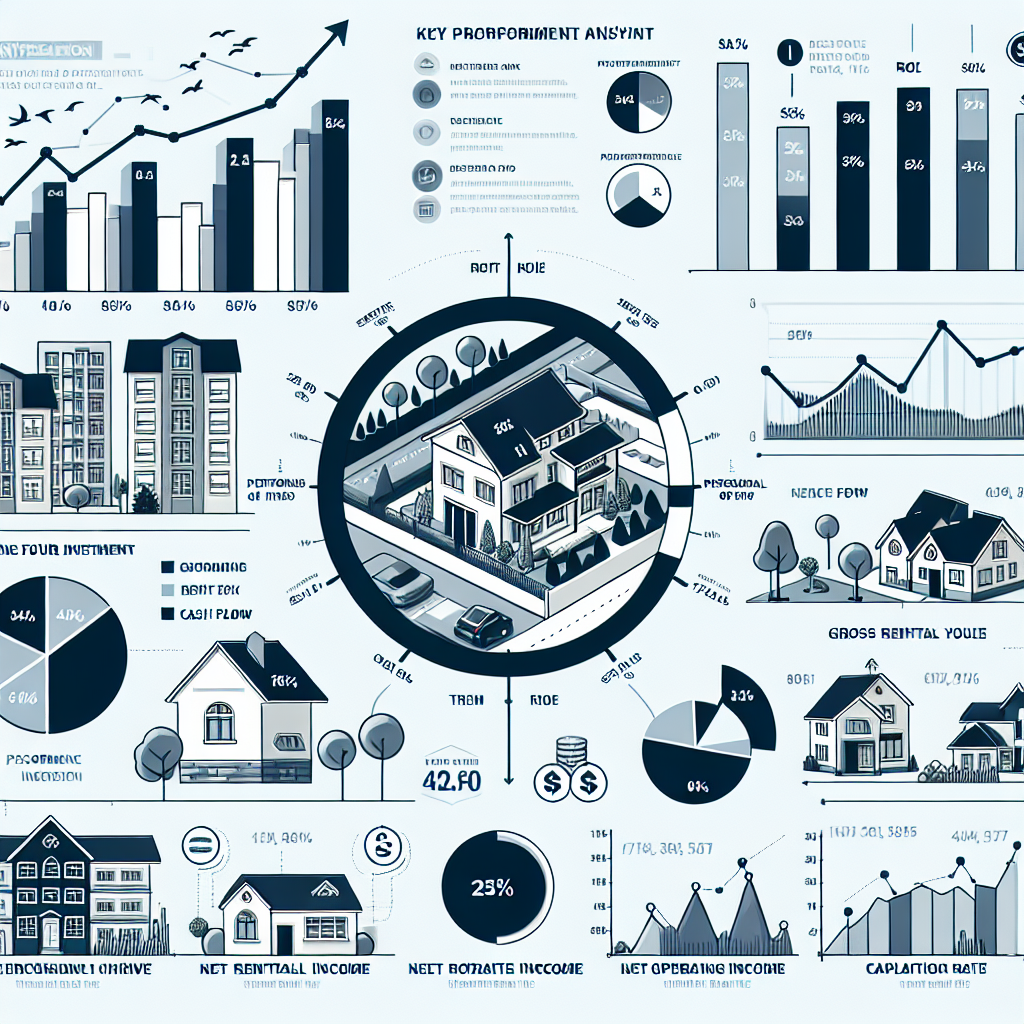
Real estate investment performance is typically measured by various metrics such as cash flow, return on investment (ROI), and property value appreciation over time. To optimize these metrics, it's essential to understand both the quantitative and qualitative aspects of your investments.
Key Performance Indicators (KPIs)
Before diving into optimization strategies, it's important to establish your key performance indicators. Consider the following:
- Net Operating Income (NOI): Determines the profitability of your investment property.
- Cash-on-Cash Return: A measure of the return on cash invested in the property.
- Capitalization Rate (Cap Rate): Indicates the rate of return on a real estate investment property based on the income that the property is expected to generate.
- Occupancy Rate: The percentage of rental units that are currently rented out.
Strategies to Enhance Real Estate Investment Performance
Here are some effective strategies you can implement to optimize your real estate investments:
1. Property Management Excellence
Efficient property management is vital to maximizing rental income and minimizing expenses. Consider the following:
- Conduct regular property maintenance to prevent costly repairs.
- Screen tenants thoroughly to reduce vacancies and ensure timely rent payments.
- Utilize technology, like property management software, to streamline operations and improve communication with tenants.
2. Enhance Property Value
Increasing the value of your properties not only boosts your net worth but can also lead to higher rental yields. Strategies include:
- Renovations: Upgrading kitchens, bathrooms, and curb appeal can add significant value.
- Energy Efficiency Improvements: Installing energy-efficient appliances or solar panels can lower utility costs and make your property more attractive.
- Expanding Usable Space: Consider adding additional bedrooms, bathrooms, or finished basements to increase rental income.
3. Market Research and Location Analysis
Understanding the local market dynamics is essential for making informed investment decisions. Regularly analyze:
- Neighborhood trends: Keep an eye on upcoming developments, schools, and amenities that could impact property values.
- Rental market data: Research local rental rates and vacancy rates to ensure competitive pricing for your units.
- Economic indicators: Monitor employment rates, population growth, and infrastructure improvements that may affect demand.
4. Diversification of Investment Portfolio
Don’t put all your eggs in one basket. Diversifying your real estate portfolio can lower risk and stabilize cash flow. Consider investments in:
- Residential and Commercial Properties: Include both sectors to balance risk and return.
- Different Geographic Locations: Investing in various markets can mitigate the impact of local economic downturns.
- Real Estate Investment Trusts (REITs): These can provide exposure to real estate without the need for direct property management.
5. Financing Options and Mortgage Management
Effective financing strategies can greatly enhance investment performance. Here’s how:
- Shop around for mortgage rates to ensure you’re getting the best deal.
- Consider refinancing options if interest rates drop to lower your monthly payments.
- Invest in properties that allow for creative financing methods, such as seller financing or lease options, to maximize cash flow.
Tracking and Analyzing Performance
Once you’ve implemented changes to optimize your investments, tracking and analyzing performance is key. Utilize software tools to:
- Monitor KPIs regularly, ensuring that you stay on top of your investment performance.
- Adjust strategies as necessary based on real-time data.
- Set benchmarks and goals to keep your investments on a growth trajectory.
Conclusion
Real estate investment optimization doesn’t happen overnight. It requires a combination of strategic planning, market understanding, and ongoing management. By employing the techniques outlined in this guide, real estate investors can enhance their portfolio’s performance, driving higher returns and ensuring long-term success in the real estate market.