Introduction
Real estate investment can be a lucrative venture, but it often comes with a hefty price tag. Understanding how to effectively reduce costs while maximizing returns is crucial for both novice and seasoned investors. This blog will explore various strategies to cut down on expenses without compromising the quality of your investments.
Understanding the Costs of Real Estate Investment
Before diving into cost-reduction strategies, it's essential to recognize the different types of expenses associated with real estate investments:
- Acquisition Costs: Including down payments, closing costs, and inspection fees.
- Operating Costs: Such as property management fees, maintenance, insurance, and property taxes.
- Financing Costs: Including mortgage interest rates and loan origination fees.
- Renovation Costs: Any work done to improve the property before leasing or selling.
- Transaction Costs: Commissions and fees paid to agents and brokers during a purchase or sale.
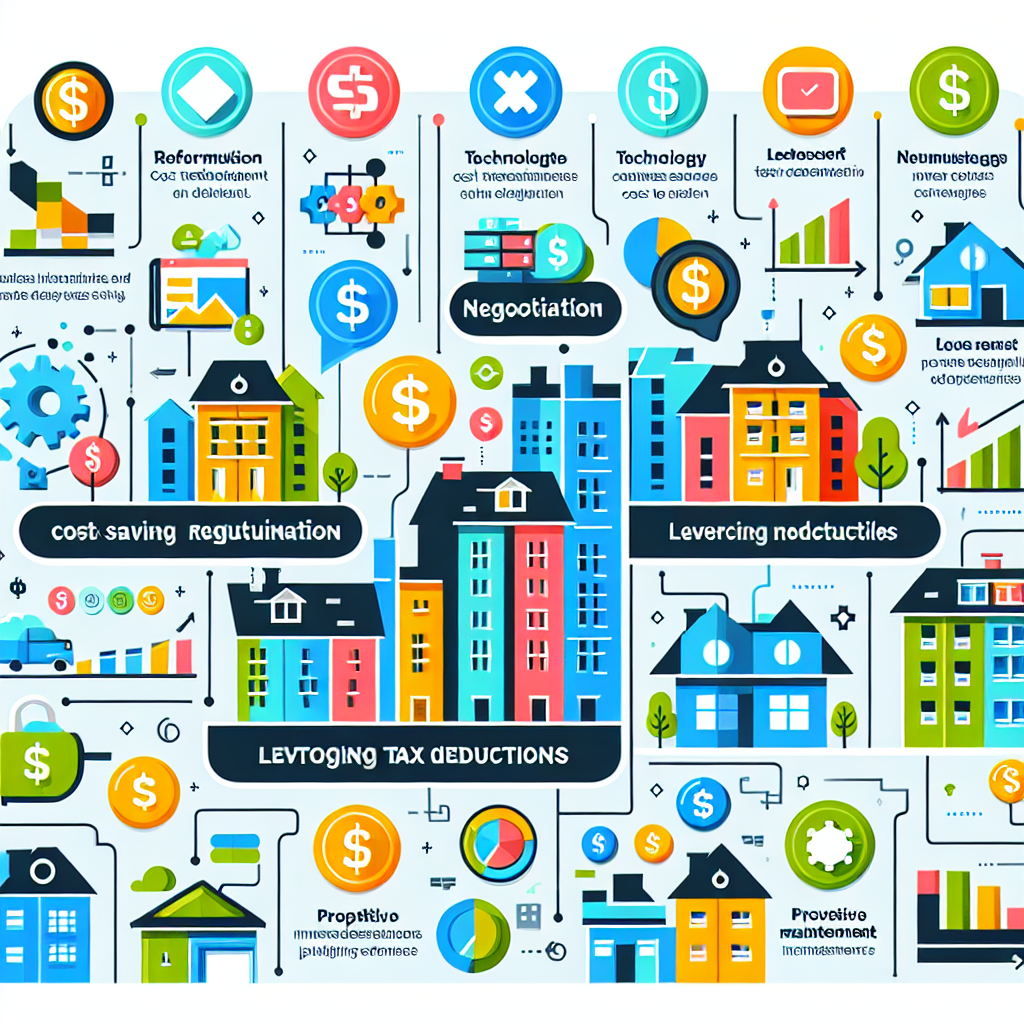
Effective Strategies for Cost Reduction
1. Negotiate Closing Costs
Negotiation is a powerful tool in real estate. When purchasing a property, don't hesitate to negotiate closing costs with your lender and real estate agent. Oftentimes, they can offer discounts or cover certain fees if you demonstrate strong intent to purchase.
2. Opt for a Lower Interest Rate
Securing a lower interest rate can make a significant difference in your long-term investment costs. Take the time to shop around, compare lenders, and consider refinancing if you find better rates in the future.
3. Invest in Technology
Using technology can streamline various aspects of property management, saving you time and money. Consider investing in property management software that can help you automate tasks such as rent collection, maintenance requests, and tenant screening.
4. Conduct Thorough Research
Understanding the market is vital when it comes to reducing costs in real estate investment. Conduct thorough research on property values, rental rates, and neighborhood trends to make informed decisions. Knowledge can help you avoid overpaying and identify properties that offer better returns.
5. Choose the Right Property Manager
Hiring a property manager can save you time, but their fees can eat into profits. Choose a property management company that provides good value for service. Look for recommendations and reviews to find a reputable manager who delivers results without charging exorbitant fees.
6. Reduce Maintenance Costs
Routine maintenance can present unexpected costs. To minimize these expenses, implement preventative maintenance practices:
- Regular inspections to identify issues early.
- Invest in durable materials when renovating.
- Establish a good relationship with local contractors for competitive prices.
7. Explore Tax Deductions
Understanding the tax benefits associated with real estate investment can help significantly lower costs. Consult with a tax professional to explore:
- Depreciation deductions.
- Deductible expenses such as repairs, maintenance, and property management fees.
- 1031 exchanges to defer capital gains taxes.
8. Consider DIY Renovations
If you have the skills and time, consider taking on some renovation projects yourself. This can save you a considerable amount of money compared to hiring contractors for every task. However, be honest about your capabilities to ensure the work meets required standards.
9. Leverage Financing Options
There are many creative financing options available to real estate investors that can help minimize costs:
- Seller Financing: Where the seller acts as the lender, which can lead to better terms.
- Partnerships: Pool resources with partners to reduce individual financial burdens.
- Hard Money Lenders: These lenders may offer low-interest loans but often require collateral, so it's essential to weigh the risks and benefits.
10. Regularly Review Your Portfolio
Regular reviews of your portfolio help in identifying underperforming assets that might need to be offloaded. Keep an eye on your investments’ cash flow and ensure they line up with your financial goals. Selling a property that’s not providing expected returns can free up capital to invest in more promising opportunities.
Conclusion
Reducing costs associated with real estate investment does not mean sacrificing quality or potential returns. By employing strategic and informed approaches, you can manage expenses effectively while enhancing your profitability. Stay proactive, continuously educate yourself, and don't hesitate to explore alternative methods. The real estate market is dynamic, and adaptability is key to long-term success in this field.