The Evolution of Cloud Computing
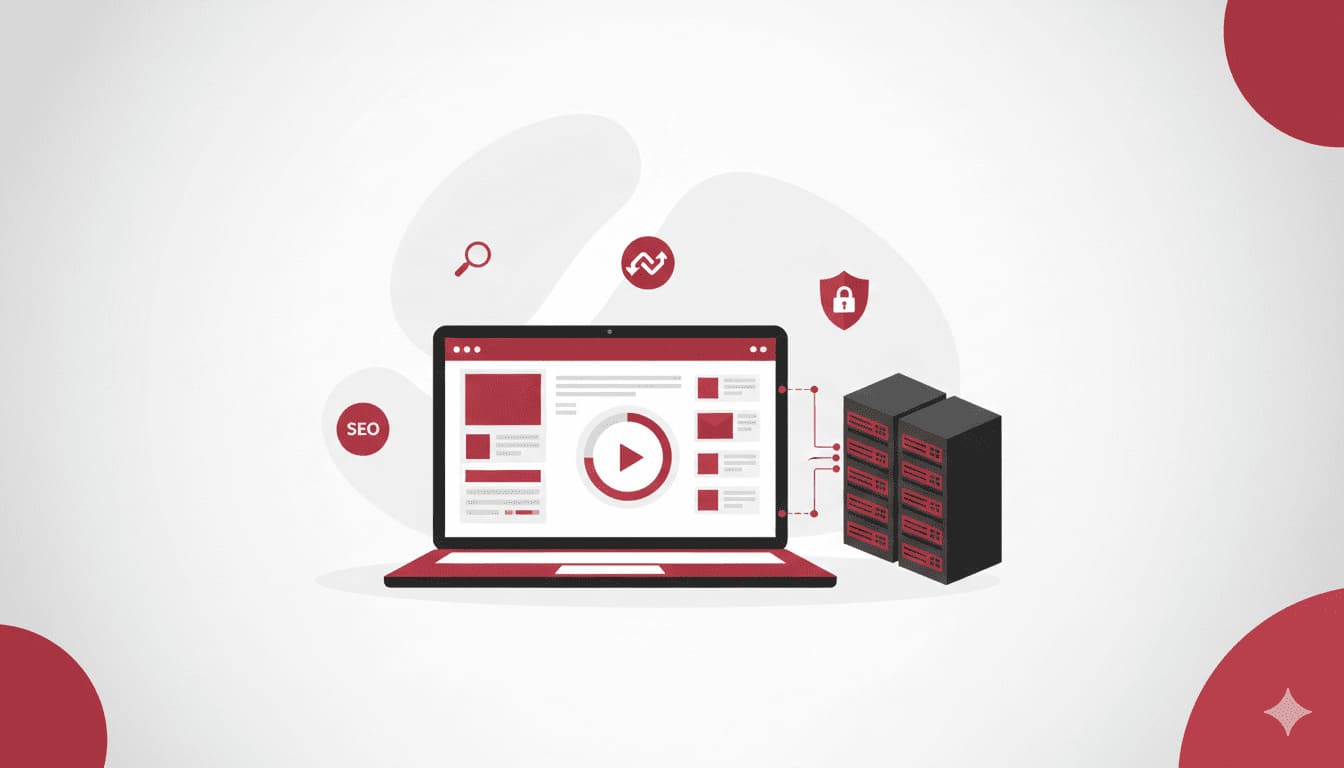
The landscape of cloud computing has evolved significantly over the past few years. As we step into 2027, organizations are facing an increasingly complex digital environment, driving a need for more efficient, secure, and scalable solutions. In this review, we will take a look at the leading cloud service providers of 2027, highlighting their key features and what makes them stand out in the crowded market.
Top Cloud Computing Providers of 2027
- Amazon Web Services (AWS)
- Microsoft Azure
- Google Cloud Platform (GCP)
- IBM Cloud
- Oracle Cloud Infrastructure (OCI)
1. Amazon Web Services (AWS)
Amazon Web Services has not only retained its position as a market leader but has also expanded its offerings with new features and services designed to address the needs of modern businesses.
AWS now offers enhanced machine learning capabilities that help businesses automate processes and gain insights from their data. Additionally, with the introduction of AWS Nitro, security and performance have reached new heights, making it one of the most secure platforms available.
2. Microsoft Azure
Microsoft Azure has continued to bridge the gap between hybrid cloud solutions and full cloud service environments. Its investment in AI integrations and the seamless connection to Microsoft 365 applications make it a favorite for enterprises already leveraging Microsoft's ecosystem.
One of Azure’s standout features is its integration with Azure Arc, which allows businesses to manage their resources across on-premises, multi-cloud, and edge environments from a single pane of glass.
3. Google Cloud Platform (GCP)
GCP has pushed forward with its data analytics and machine learning services, offering advanced tools that allow businesses to harness their data more efficiently. With advancements in BigQuery and Vertex AI, companies can draw actionable insights and develop robust AI applications more than ever.
Furthermore, GCP's commitment to sustainability through its carbon-neutral cloud computing practices is setting a standard in the industry, appealing to environmentally conscious businesses.
4. IBM Cloud
IBM Cloud has carved out a niche for itself by focusing on industry-specific cloud solutions and enhancing its hybrid cloud capabilities. With the acquisition of Red Hat, IBM has made significant strides in promoting open-source technologies, which has garnered attention from enterprises looking for flexibility and reduced vendor lock-in.
The integration of IBM Watson into its cloud service offers cognitive solutions that empower businesses to automate their operations and enhance customer experiences.
5. Oracle Cloud Infrastructure (OCI)
Oracle has been aggressively enhancing its cloud infrastructure services, which are specifically designed for enterprise workloads. With its focus on database solutions, OCI stands out for companies looking to optimize data management and analytics performance.
The introduction of Autonomy and AIOps into its ecosystem allows users to manage their resources proactively, minimizing downtime and reducing operational costs.
Key Features to Consider in 2027
- Security: With increasing threats to data privacy and integrity, top cloud providers are implementing cutting-edge security measures.
- Scalability: Businesses must choose providers that can scale their services seamlessly as they grow.
- Cost Efficiency: Understanding pricing models and finding the best value without sacrificing quality is paramount.
- Integration Capabilities: Solutions that integrate easily with existing systems can significantly reduce operational complexity.
Trends Shaping Cloud Computing in 2027
As organizations continue to adapt to the shifting technological landscape, several trends are likely to shape the future of cloud computing:
- Artificial Intelligence and Machine Learning: Increased use of AI and Machine Learning capabilities to improve automation and decision-making processes.
- Serverless Architectures: More businesses are expected to adopt serverless computing to streamline operations and reduce costs.
- Multi-Cloud Strategies: Businesses are increasingly opting for multi-cloud solutions for better data redundancy and flexibility.
- Edge Computing: The rise of IoT and the necessity for real-time data processing will drive greater reliance on edge computing.
Conclusion
The cloud computing industry is undergoing rapid transformation, with providers continuously enhancing their services to meet the dynamic demands of businesses. As we look ahead to 2027, understanding the landscape of cloud services is crucial for any organization aiming to leverage technology for growth and efficiency. With the right cloud provider, businesses can not only streamline their operations but also adapt swiftly to new market challenges and opportunities.