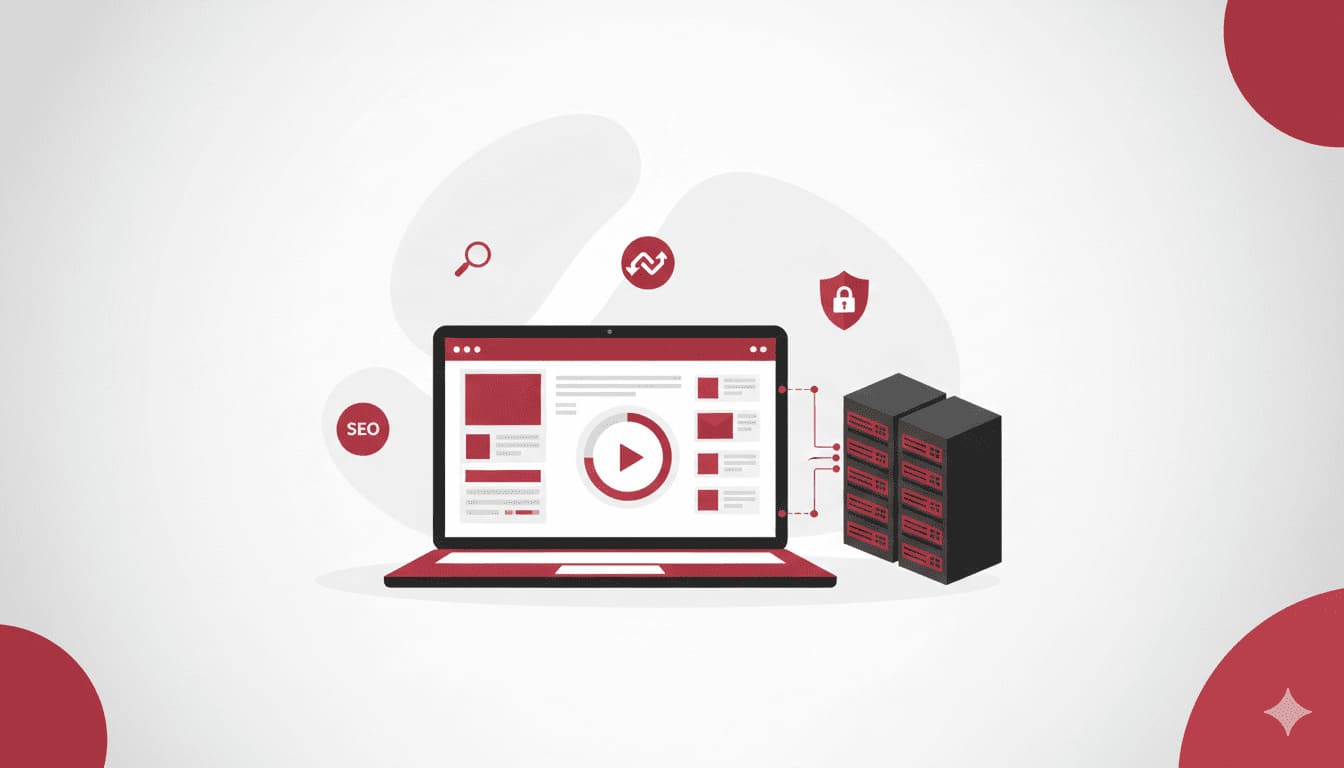
The Future of IT Infrastructure: Embracing Hybrid Solutions
In the rapidly evolving landscape of information technology, businesses are constantly exploring ways to enhance performance, scalability, and security while managing costs. One dominant trend that has emerged in recent years is the shift towards hybrid IT infrastructure, which combines on-premises data centers with cloud solutions. This article delves into the reasons behind this trend, the benefits of hybrid infrastructure, and best practices implementation.
The Shift to Hybrid Infrastructure
The emergence of cloud computing has revolutionized how organizations manage their IT infrastructure. The flexibility and scalability offered by cloud services have allowed businesses to quickly adapt to changing market conditions and technological needs. However, as organizations dive deeper into digital transformation, many are realizing that a one-size-fits-all approach does not serve every purpose.
While public cloud solutions offer numerous advantages, certain critical applications or sensitive data may be better suited for on-premises environments due to compliance, security, or performance constraints. This realization has paved the way for the adoption of hybrid infrastructure—a balanced approach that leverages the strengths of both cloud and on-premises systems.
Benefits of Hybrid IT Infrastructure
The adoption of a hybrid IT infrastructure can provide several benefits for businesses:
- Increased Flexibility: Organizations can choose the most appropriate environment for each workload, allowing for efficient resource allocation.
- Cost Efficiency: Companies can optimize spending by using on-premises resources for predictable workloads while leveraging the cloud for variable or peak demands.
- Enhanced Security: Sensitive data can remain on-premises, providing better control over security measures, while still benefiting from cloud scalability for less sensitive tasks.
- Improved Business Continuity: Hybrid infrastructure enables organizations to set up disaster recovery processes more effectively, using cloud resources for backup without sacrificing performance.
- Customization and Integration: Companies can tailor their IT infrastructure to meet specific business needs and integrate existing systems with new cloud services.
Key Considerations When Implementing Hybrid IT Infrastructure
While the advantages of hybrid infrastructure are clear, organizations must carefully plan their implementation to avoid common pitfalls. Here are several key considerations:
- Understanding Workload Requirements: Assessing the specific needs of each application or workload is crucial in determining the right placement between on-premises and cloud environments.
- Data Integration and Management: Organizations should focus on how data will flow between systems, ensuring consistent integration and management practices to avoid silos.
- Security Protocols: Security should be a priority from the outset. Organizations must establish clear protocols for data protection, access controls, and compliance.
- Vendor Relationships: Selecting reliable service providers and establishing strong relationships can enhance the effectiveness of hybrid infrastructure.
- Monitoring and Optimization: Continuous monitoring of performance and resource usage can help identify improvements, ensuring that the infrastructure remains efficient and cost-effective.
Tools and Technologies Supporting Hybrid Infrastructure
The hybrid model is supported by various tools and technologies designed to facilitate management, security, and integration. Key technologies include:
- Virtualization: Virtualization technologies allow organizations to run multiple workloads on a single physical server, maximizing resource usage.
- Containerization: Containers enable seamless deployment of applications across hybrid environments, simplifying the management and scaling of applications.
- Cloud Management Platforms (CMPs): CMPs provide a unified interface for managing both on-premises and cloud resources, optimizing performance and cost.
- Networking Solutions: Software-defined networking (SDN) and secure access service edge (SASE) technologies enhance connectivity and security in hybrid environments.
Real-World Examples of Hybrid Infrastructure Success
Numerous organizations across various industries have successfully implemented hybrid infrastructure, showcasing its potential:
- Healthcare: A leading healthcare provider integrated hybrid IT to manage sensitive patient data on-premises while leveraging cloud services for analytics and research. This combination ensured compliance with regulations while enabling innovation.
- Retail: A major retail chain adopted a hybrid model to enhance its e-commerce platform. By running customer-facing applications in the cloud while maintaining inventory management systems on-premises, the retailer achieved improved performance and customer satisfaction.
- Manufacturing: A manufacturing company implemented IoT solutions in a hybrid model, using cloud capabilities for data analytics while keeping critical systems on-premises to ensure operational efficiency.
Conclusion: The Path Forward
The future of IT infrastructure undoubtedly lies in the hybrid model. It offers businesses the agility required in today’s digital era while balancing control, security, and performance. As organizations embark on this journey, strategic planning, continuous monitoring, and adopting the right technologies will be pivotal in maximizing the benefits of a hybrid infrastructure.