The Impact of Artificial Intelligence on Modern Society
Artificial Intelligence (AI) is no longer just a concept confined to science fiction. It has integrated itself into the fabric of modern society, shaping industries and elevating the way we live and work. From healthcare to finance, AI technologies are revolutionizing how we approach problems and make decisions.
Opportunities Created by Artificial Intelligence
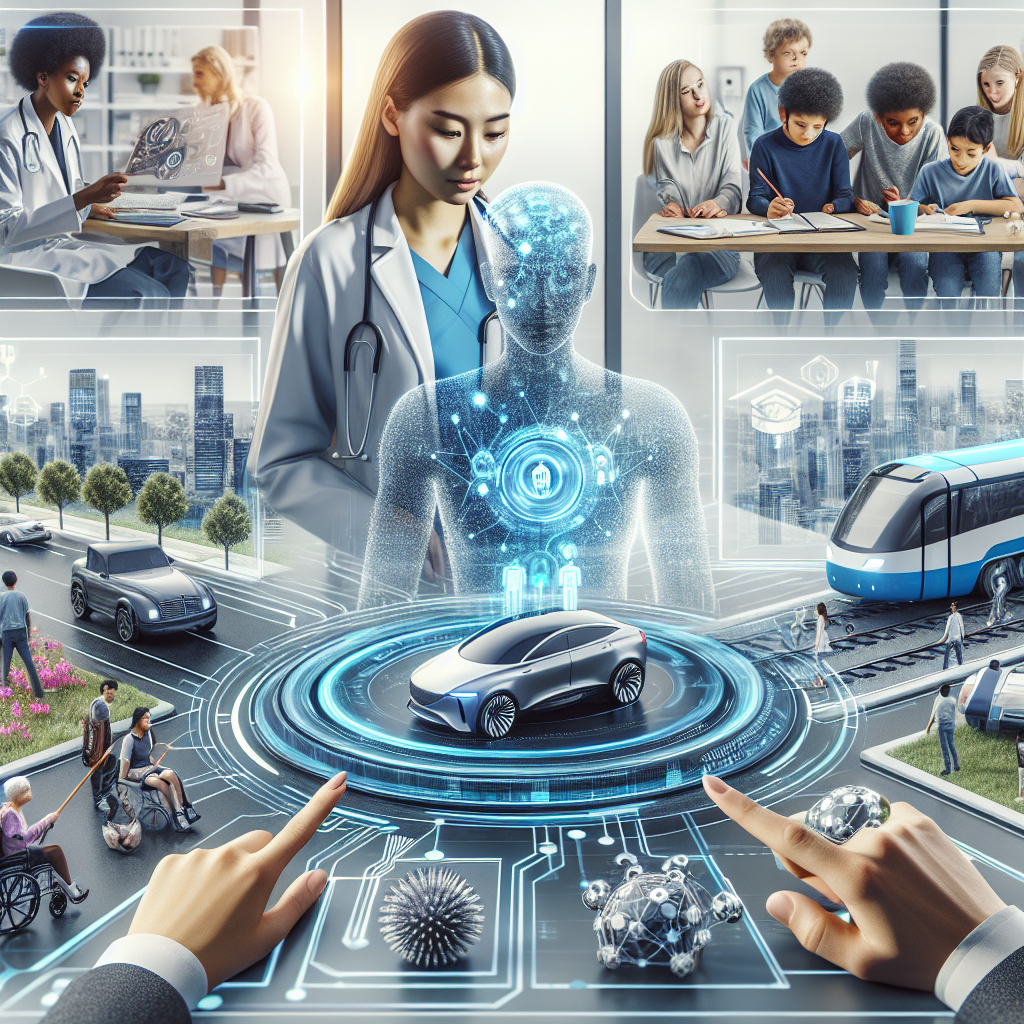
AI presents numerous opportunities, driving efficiency, innovation, and new capabilities across different sectors. Here are some key areas where AI is making a significant impact:
- Healthcare: AI algorithms are transforming diagnostics, predicting patient outcomes, and personalizing treatment plans. For instance, AI tools analyze medical images faster and more accurately than traditional methods, leading to early detection of diseases.
- Finance: From algorithmic trading to customer service chatbots, AI facilitates quicker, data-driven decisions. Fraud detection systems powered by AI can recognize patterns in transaction data, helping financial institutions identify suspicious activities.
- Transportation: Self-driving vehicles are a groundbreaking application of AI, with companies like Tesla and Waymo leading the charge. These vehicles promise to reduce accidents caused by human error, optimize traffic flow, and decrease emissions.
- Manufacturing: AI-driven robots enhance productivity and precision on factory floors. By taking on repetitive tasks, they allow human workers to focus on more complex problems, ultimately improving overall efficiency.
- Education: Personalized learning experiences are now possible thanks to AI. Adaptive learning platforms assess students' strengths and weaknesses, tailoring educational content to improve engagement and outcomes.
Challenges Posed by Artificial Intelligence
Despite its benefits, the rise of AI is not without challenges. As AI technologies advance, several important concerns need to be addressed:
- Job Displacement: Automation driven by AI may lead to job losses in certain sectors, particularly for tasks that are routine and easily programmable. The workforce will need retraining and upskilling to adapt to new job landscapes.
- Ethical Dilemmas: The deployment of AI raises ethical questions about bias, accountability, and decision-making. For instance, how do we ensure that AI systems do not perpetuate existing societal biases? The lack of transparency in AI algorithms can complicate this issue.
- Security Risks: As AI systems become more sophisticated, the potential for misuse increases. Cybersecurity threats involving AI, such as deepfakes and automated hacking tools, pose significant risks to individuals and organizations alike.
- Privacy Concerns: The use of AI in data collection and analysis raises serious privacy issues. Users often unknowingly give up personal information that can be exploited, leading to calls for stricter regulations on data privacy.
Balancing Opportunities and Challenges
To fully harness the potential of AI while mitigating its risks, a balanced approach is essential. Here are steps that can be taken:
- Regulatory Frameworks: Governments and organizations need to work together to establish clear regulations governing the development and deployment of AI. These frameworks should prioritize safety, ethics, and user rights.
- Education and Training: Investing in education and training programs can help workers transition into new roles created by AI. Furthermore, STEM education should emphasize critical thinking and problem-solving skills necessary for a tech-driven world.
- Inclusive AI Development: Diverse teams of developers are critical to creating AI systems that consider a wide range of perspectives. By including voices from different backgrounds, we can minimize biases in AI algorithms.
- Ethical AI Practices: Companies should adopt ethical guidelines that prioritize transparency and accountability in their AI systems. This includes regular audits and assessments to ensure that AI technologies align with societal values.
The Future of AI in Our Lives
The future of artificial intelligence is a tapestry woven with both promise and peril. As AI continues to evolve, its impact on our lives will deepen. By embracing innovation while remaining vigilant about the ethical implications, we can steer AI towards a future that benefits everyone.
As we look ahead, it is crucial to foster an ongoing dialogue about the role of AI in society. Engaging stakeholders—including technologists, policymakers, ethicists, and the general public—in these conversations will help us navigate the complex landscape of AI.
Conclusion
In conclusion, the advent of artificial intelligence brings forth transformative impacts on our lives. While it offers remarkable opportunities for growth and efficiency across various sectors, it also poses significant challenges that require careful consideration and action. By working collaboratively to address these issues, we can ensure that AI serves as a force for good in our society.